Whether you’re a professional photographer or an amateur enthusiast, mastering the art of self-portraiture requires a combination of technical skill, creativity, and patience. In this blog post, we’ll share ten invaluable tips to help you take stunning self-portraits with your digital camera, covering everything from camera settings and composition to lighting and posing techniques.

01. Use a Tripod
Invest in a sturdy tripod to stabilise your camera and ensure sharp, blur-free images. A tripod allows you to position your camera at the perfect angle and height for your self-portrait, freeing up your hands to focus on posing and expression.
02. Set Up Your Camera
Use the self-timer or remote shutter release function on your camera to capture self-portraits hands-free. Set your camera to manual mode to have full control over exposure settings such as aperture, shutter speed, and ISO, ensuring optimal image quality and consistency.
03. Find Good Lighting
Good lighting is crucial for flattering self-portraits. Choose soft, diffused natural light whenever possible, such as near a window or outdoors on an overcast day. Avoid harsh overhead lighting or direct sunlight, which can create unflattering shadows and highlights.
04. Consider Composition
Experiment with different compositions and framing techniques to add visual interest to your self-portraits. Use the rule of thirds to place yourself off-center and create a dynamic composition, or try shooting from different angles and perspectives for a unique look.
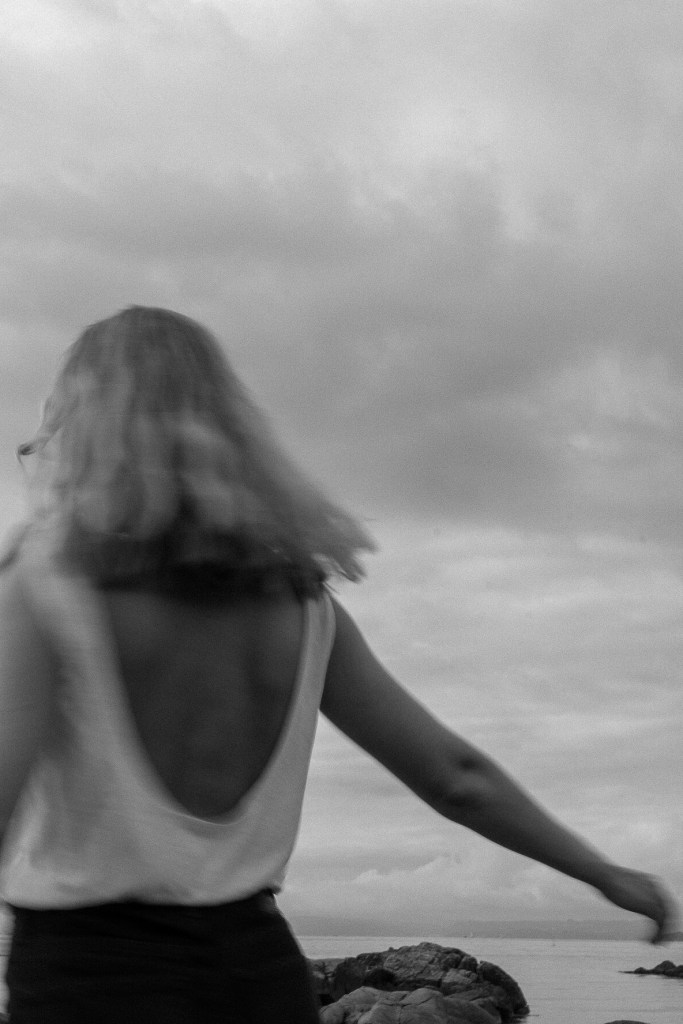
05. Focus on Focus
Ensure that your self-portraits are tack-sharp by setting your camera’s autofocus to the appropriate focus point. Use the autofocus lock function or manual focus to fine-tune focus and ensure that your eyes are sharp — the key to a beautiful self-portrait.
06. Mind Your Background
Pay attention to the background of your self-portraits and choose a setting that complements your subject and improves the mood of the image. Avoid cluttered or distracting backgrounds, and consider using a shallow depth of field to blur the background and draw focus to yourself.

07. Experiment with Posing
Pose naturally and expressively to convey emotion and personality in your self-portraits. Experiment with different poses, facial expressions, and body language to find what feels comfortable and authentic to you. Don’t be afraid to get creative and try unconventional poses for a more dynamic self-portrait.
08. Use Props and Accessories
Incorporate props and accessories into your self-portraits to add visual interest and tell a story. Whether it’s a favourite hat, a vintage camera, or a bouquet of flowers, props can improve the narrative of your self-portraits and make them more memorable and visually compelling.
09. Shoot in RAW
For maximum flexibility and control over your self-portraits, shoot in RAW format rather than JPEG. RAW files contain more image data and allow for greater post-processing adjustments, such as exposure, white balance, and colour correction, without sacrificing image quality.
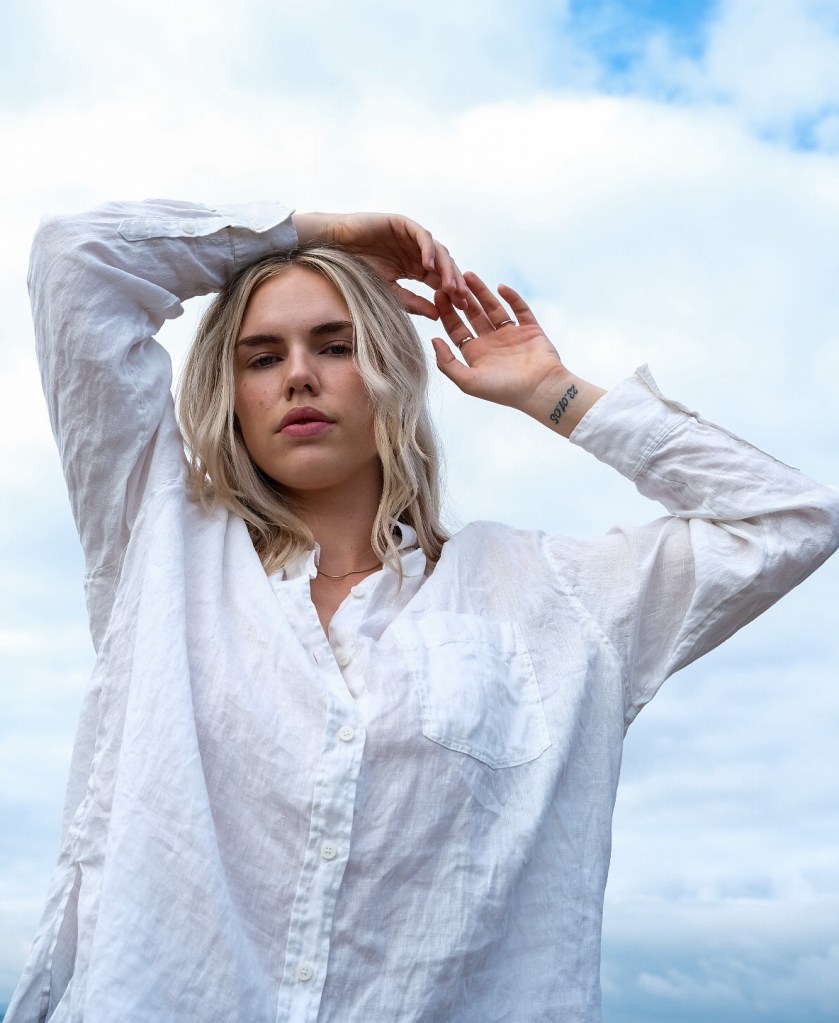
10. Practice, Practice, Practice
Like any skill, taking great self-portraits takes practice and patience. Take the time to experiment with different techniques, settings, and styles, and don’t be discouraged by setbacks or imperfect results. With each self-portrait session, you’ll gain confidence and insight into your unique vision and creative voice as a photographer.
 MELISSA MARTINSEN