Unlocking the full potential of your camera goes beyond simply pressing the shutter button. By mastering a few key techniques and tricks, you can easily boost your photography skills and capture stunning images that stand out from the crowd. In this blog post, we’ll share ten useful camera tricks that every photographer should know, from creative composition techniques to advanced shooting modes and settings.

01. Rule of Thirds
The rule of thirds is a classic composition technique that can add balance and visual interest to your images. Imagine your image divided into nine equal segments by two horizontal and two vertical lines. Place your main subject or focal point at the intersection of these lines, rather than in the center of the frame, to create a more dynamic and engaging composition.
02. Leading Lines
Leading lines are natural or man-made elements within a scene that lead the viewer’s eye towards the main subject or focal point of the image. Look for lines such as roads, fences, or rivers that draw the viewer’s gaze into the frame, adding depth and guiding their attention to the most important part of the photo.
03. Framing
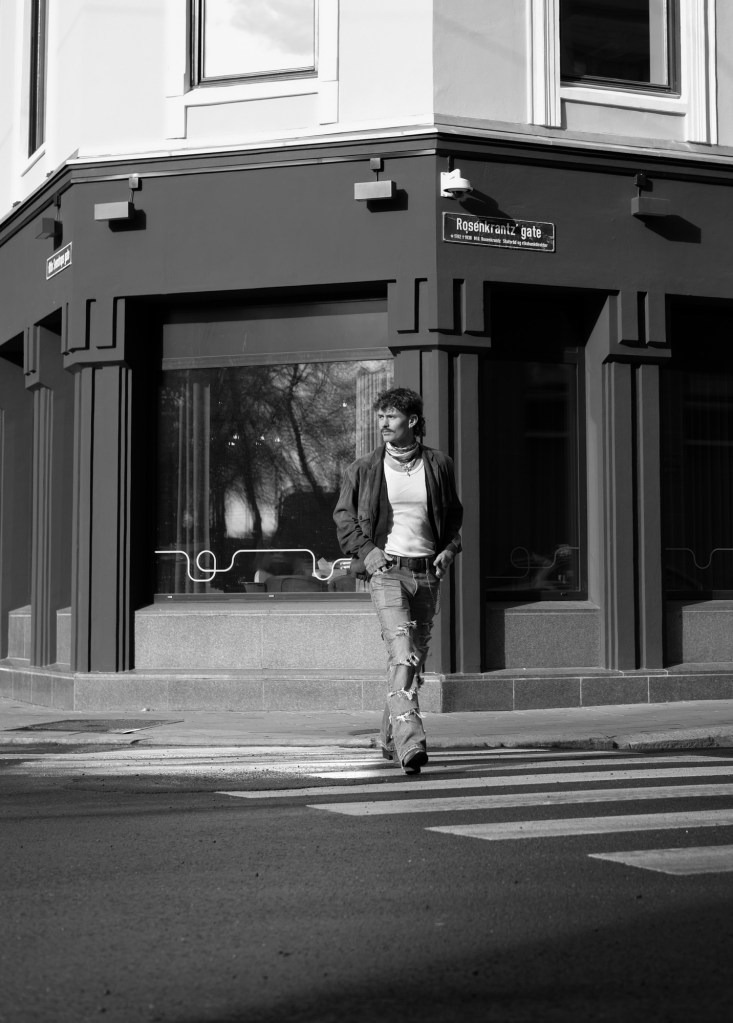
Framing involves using elements within the scene to frame your subject and draw attention to it. Look for natural frames such as archways, doorways, or tree branches, and position your subject within the frame to create a sense of context and depth in your images.
04. Long Exposure
Long exposure photography involves using a slow shutter speed to capture motion blur, creating dynamic and ethereal effects in your images. Experiment with long exposure techniques such as light trails, flowing water, or moving clouds to add drama and movement to your photographs.
05. Bokeh
Bokeh refers to the aesthetic quality of the out-of-focus areas in a photograph, typically created by using a wide aperture and shallow depth of field. Experiment with different aperture settings and focal lengths to achieve pleasing bokeh effects, creating soft and dreamy backgrounds that make your subject stand out.
06. High Dynamic Range (HDR) Imaging
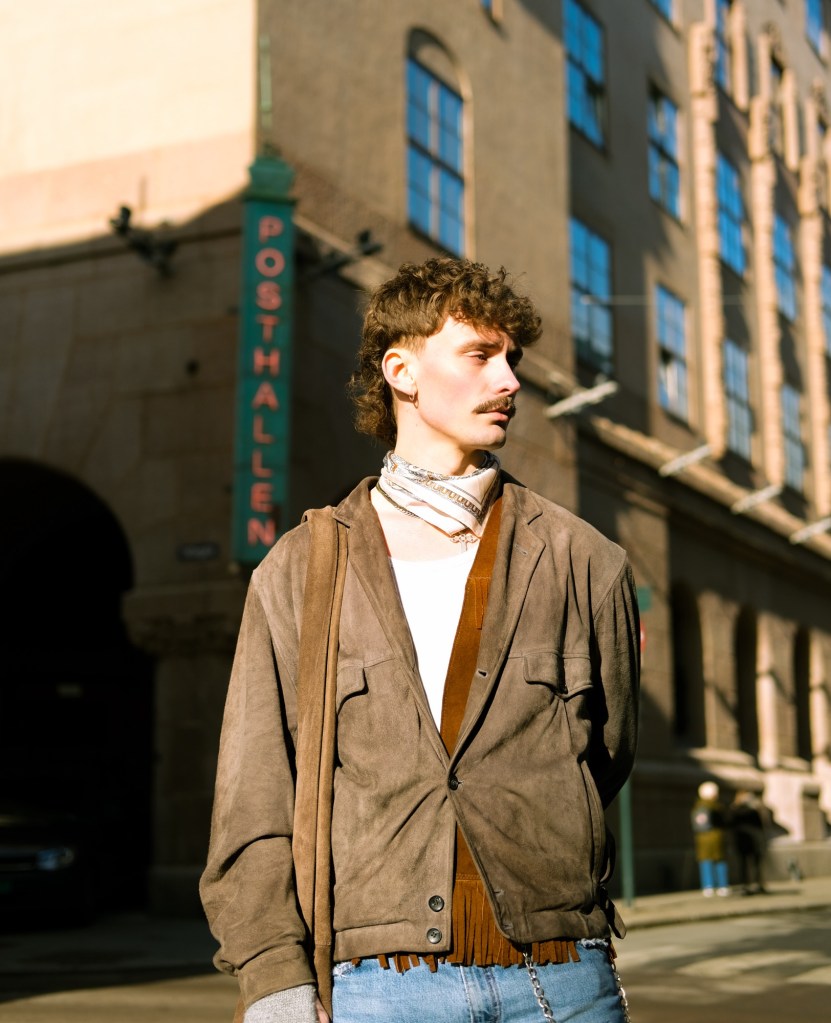
HDR imaging involves capturing multiple exposures of the same scene at different exposure levels and blending them together to create a final image with enhanced detail and dynamic range. Use HDR mode on your camera or manually bracket your exposures to capture a wider range of tones and detail in high-contrast scenes.
07. Panning
Panning involves tracking a moving subject with your camera while using a slow shutter speed to create a sense of motion blur in the background. This technique is commonly used in sports photography to capture fast-moving subjects such as cars or athletes, adding a dynamic and immersive feel to the image.
08. Focus Stacking
Focus stacking is a technique used to achieve greater depth of field in macro or close-up photography by combining multiple images taken at different focus distances. Use manual focus and a sturdy tripod to capture a series of images focused on different parts of the subject, then blend them together in post-processing to create a final image with sharp detail from front to back.
09. Silhouette Photography
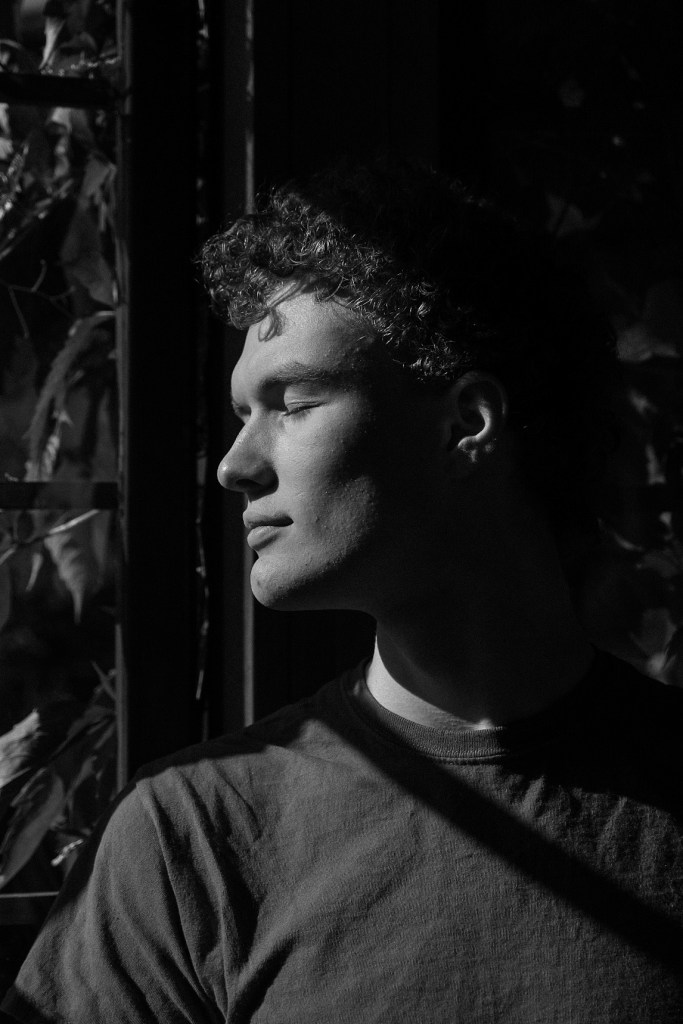
Silhouette photography involves positioning your subject against a bright background, such as a sunset or a brightly lit window, to create a striking silhouette effect. Meter for the background exposure and underexpose the subject to create a dark outline against the light, emphasising its shape and form.
10. Creative White Balance
White balance affects the overall colour temperature of your images, influencing the mood and atmosphere of the scene. Experiment with different white balance settings such as daylight, shade, or tungsten to achieve the desired colour cast and create unique and artistic effects in your photographs.
By incorporating these ten useful camera tricks into your photography toolkit, you can take your images to the next level and unleash your creativity as a photographer. Whether you’re experimenting with composition techniques, mastering advanced shooting modes, or exploring creative effects, these tricks offer endless opportunities to push the boundaries of your photography and capture stunning images that leave a lasting impression on viewers.
 MELISSA MARTINSEN