Photography is an art form shaped by visionaries who have pushed the boundaries of creativity and technique. Exploring the work of history’s greatest photographers not only enriches our understanding of the craft but also offers valuable lessons for today’s photographers. Here’s a look at ten influential figures whose work continues to inspire and educate. Discover what makes their contributions unique and how their insights can help you improve your own photography.
- Ansel Adams
Known For: Landscape photography and his mastery of black and white images.
Adams’ careful attention to detail in capturing nature teaches the importance of technical precision and patience. His zone system for exposure and development is a reminder that understanding your tools can significantly impact the final result.

- Dorothea Lange
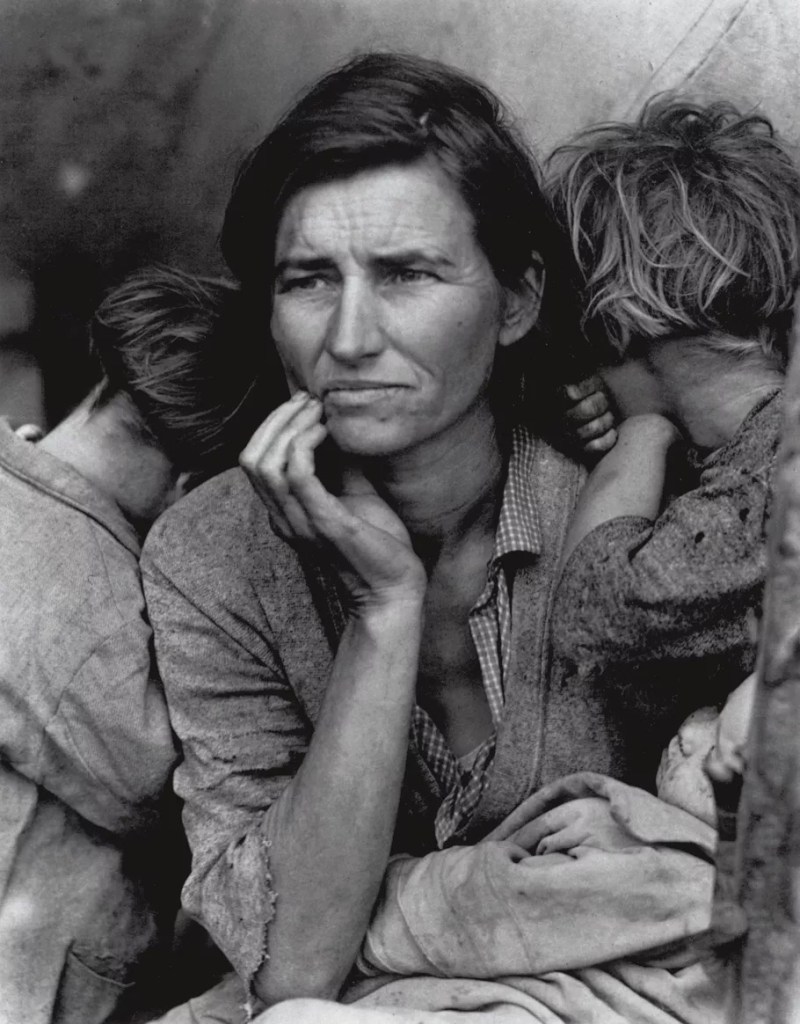
Known For: Documentary photography during the Great Depression.
Lange’s powerful images of social issues illustrate the strength of storytelling in photography. Her work underscores the impact of capturing real human experiences and emphasises the importance of empathy and narrative in documentary work.
- Henri Cartier-Bresson
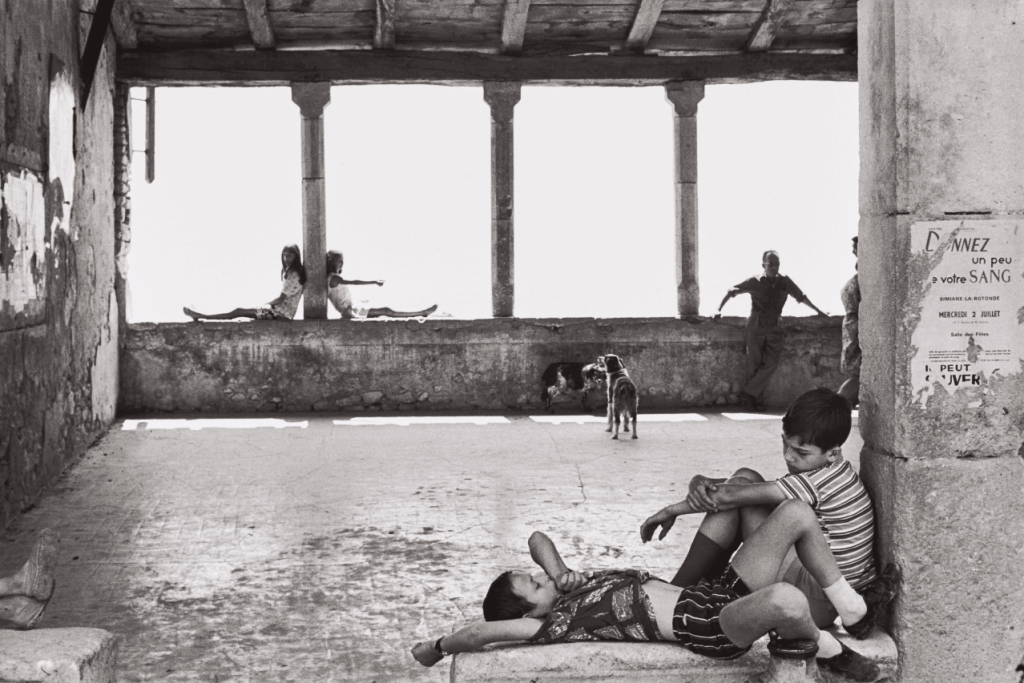
Known For: The concept of the “decisive moment” in street photography.
Cartier-Bresson’s ability to capture fleeting moments highlights the importance of timing and observation. His work encourages photographers to stay alert and be ready to seize those rare, spontaneous instances that define a scene.
- Richard Avedon
Known For: Fashion and portrait photography with a focus on capturing personality and character.
Avedon’s portraits teach us the value of connection with subjects. His approach to making his subjects feel at ease brings out their true essence, demonstrating how crucial it is to build rapport and trust to capture authentic images.

- Edward Weston
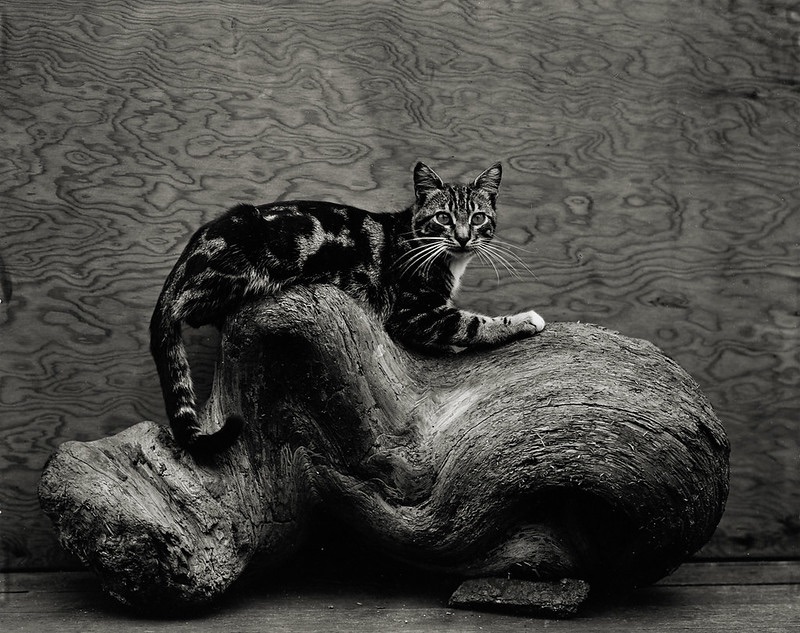
Known For: Nature and still-life photography with a focus on form and texture.
Weston’s exploration of natural forms and his mastery of light and shadow demonstrate the power of simplicity and abstraction. His work teaches us to find beauty in the ordinary and to use composition and lighting to highlight the intrinsic qualities of subjects.
- Steve McCurry
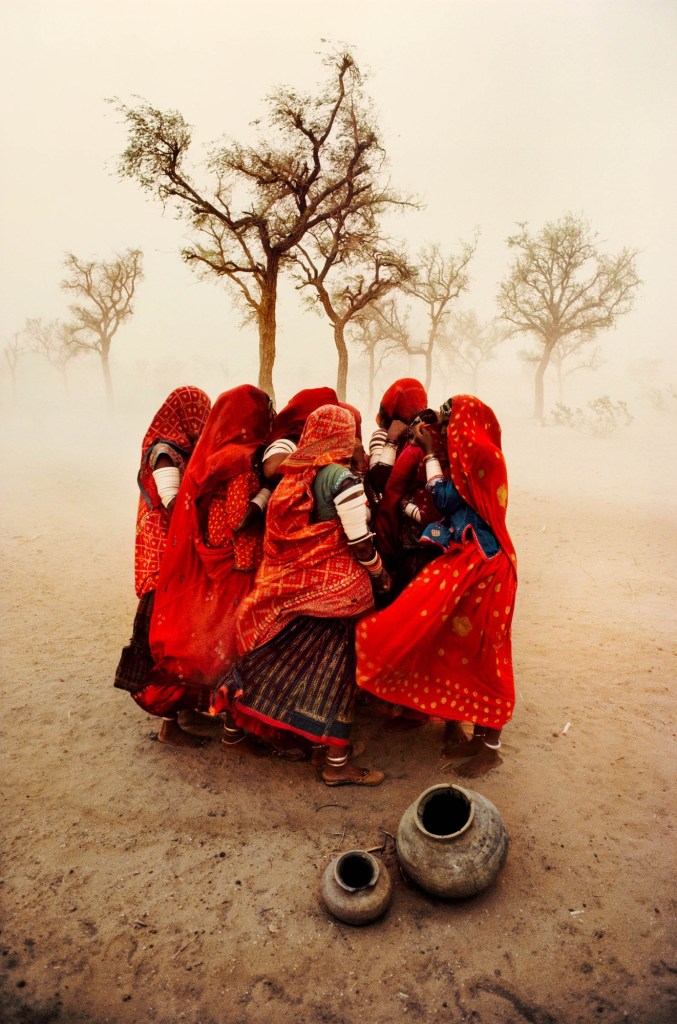
Known For: Iconic photojournalism, including the famous “Afghan Girl” portrait.
McCurry’s work highlights the significance of capturing emotive and culturally significant moments. His ability to convey powerful stories through portraits emphasises the importance of emotion and context in photography.
- Vivian Maier
Known For: Street photography and self-portraits discovered posthumously.
Maier’s extensive body of work, discovered only after her death, demonstrates the importance of passion and persistence. Her photography inspires us to continue creating and experimenting, regardless of immediate recognition or validation.

- Annie Leibovitz
Known For: Iconic portraits and elaborate, staged photoshoots with celebrities and cultural figures.
Leibovitz’s ability to craft visually compelling and narratively rich portraits teaches us about the power of staging and conceptualisation in photography. Her meticulous attention to detail, from lighting to set design, shows how creative direction can improve a portrait beyond a simple snapshot. Her work emphasises the importance of planning, vision, and collaboration in producing impactful images.

- Robert Capa
Known For: War photography and capturing the intensity of conflict.
Capa’s courage and commitment to documenting the harsh realities of war illustrate the role of photography in documenting and communicating critical moments. His work underscores the importance of dedication and ethical considerations in photojournalism.

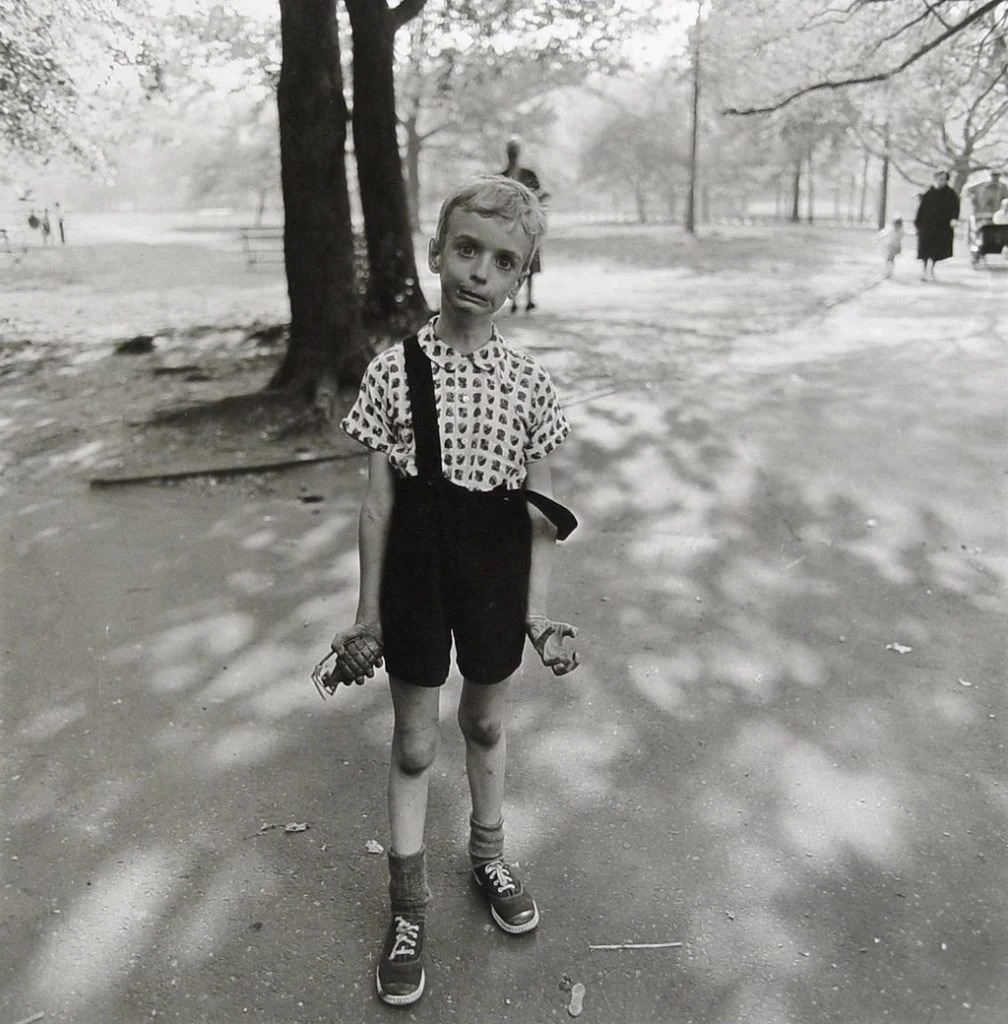
- Diane Arbus
Known For: Portraits of marginalised individuals and unconventional subjects.
Arbus’s work emphasises the importance of exploring and representing diverse perspectives. Her approach teaches us to challenge societal norms and embrace subjects that might otherwise be overlooked, promoting inclusivity and depth in photography.
The legacy of these ten great photographers provides a wealth of knowledge and inspiration. By studying their work and understanding their approaches, we can gain valuable insights into the art of photography. Whether it’s mastering technical skills, embracing storytelling, or pushing creative boundaries, their contributions remind us of the endless possibilities within the craft.
 MELISSA MARTINSEN