In the fast-paced world of photography, it’s easy to fall into the habit of snapping random images and hoping for the best. However, the most impactful and memorable photographs often come from a place of intention. By being purposeful in every stage of the photographic process—from planning your shot to editing your final image—you can create photos that truly resonate with your audience. In this post, we’ll explore how being intentional can transform your photography, helping you convey powerful emotions, tell compelling stories, and achieve a cohesive artistic vision.
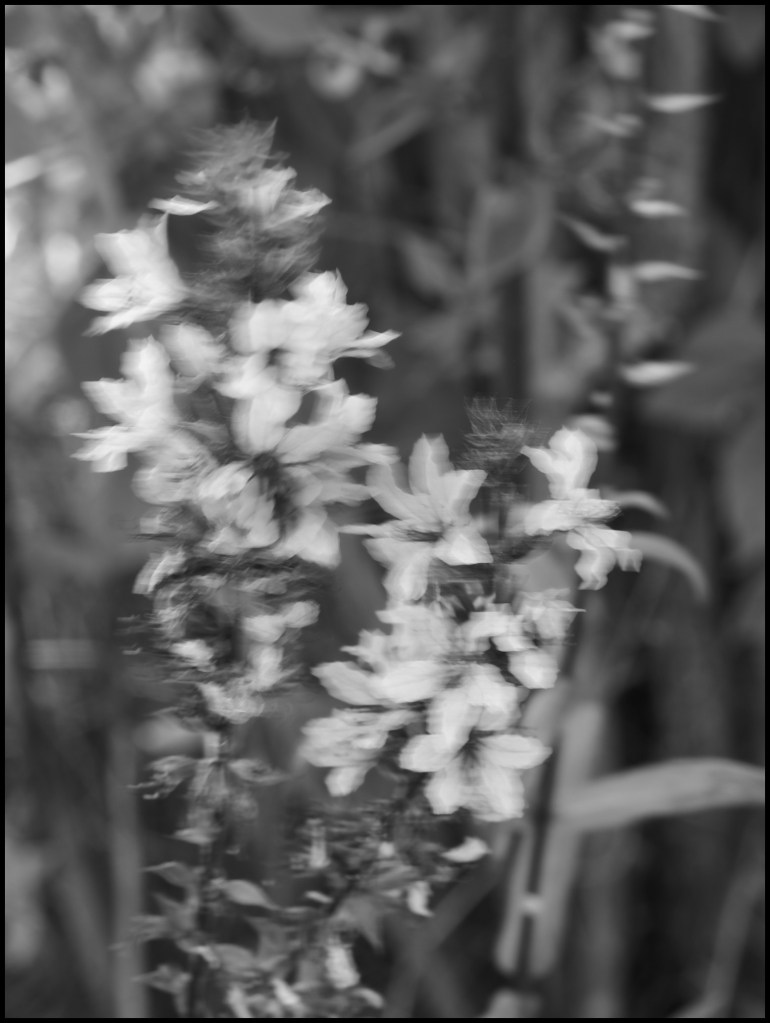
1. Defining Your Intent Before You Shoot
Understand Your Objective: Before you even pick up your camera, take a moment to define what you want to achieve with your photo. Are you aiming to capture a specific emotion, such as joy, melancholy, or nostalgia? Do you want to document human interactions or focus on abstract elements? Understanding your objective will guide your approach and help you make deliberate choices in both composition and execution.
Develop a Concept: Having a clear concept in mind will inform your decisions about the scene, subject, and even the camera settings. For example, if you want to convey the serenity of a quiet morning, you might choose a soft color palette and use a slow shutter speed to capture the stillness. Conversely, if you’re aiming to portray the energy of a bustling street, you might opt for vibrant colors and a faster shutter speed to freeze motion.
Plan Your Shot: Intentionality in photography often starts with planning. Scout locations, consider lighting conditions, and think about the composition you want to achieve. This preparation will help you anticipate challenges and make the most of the environment when you’re ready to shoot.
2. Composition: Framing Your Vision
Apply the Rule of Thirds: Use the rule of thirds to place key elements along grid lines or intersections. This technique helps create a balanced composition and draws the viewer’s eye to focal points.
Use Leading Lines: Incorporate leading lines to guide the viewer’s gaze through the image and towards your main subject. This technique adds depth and directs attention where you want it.
Consider the Background: Ensure the background complements your subject and doesn’t distract from it. An intentional background can enhance your message and add context to your photo.
3. Harnessing the Power of Light
Natural vs. Artificial Light: Decide whether natural or artificial light will best support your vision. Natural light often adds a more organic feel, while artificial light can be controlled for specific effects.
Golden Hour and Blue Hour: Utilise the golden hour (shortly after sunrise or before sunset) and the blue hour (twilight) for unique lighting conditions that can add mood and drama to your images.
Shadows and Highlights: Pay attention to shadows and highlights, as they can either enhance or obscure details in your photo. Use lighting to create depth and emphasize important elements.
4. Editing with Purpose
Enhance Your Story: During editing, focus on adjustments that enhance the story or emotion you want to convey. For example, increasing contrast might highlight dramatic lighting, while desaturating colors can evoke a more somber tone.
Colour Theory: Use colour theory to support your vision. Warm tones can create a sense of warmth and comfort, while cool tones might evoke calm or melancholy. Adjust colour balance and saturation to align with your intended mood.
Cropping and Framing: Crop your images thoughtfully to eliminate distractions and emphasise the subject. Proper framing can strengthen your composition and ensure your message is clear.
5. Practicing Deliberate Post-Processing
Consistency Across Images: Maintain consistency in editing style across a series of images to reinforce your artistic vision. This could include using similar colour tones, contrast levels, or cropping techniques.
Feedback and Reflection: Regularly review your work and seek feedback to ensure your edits align with your intended vision. Reflect on what works and what doesn’t, and adjust your approach accordingly.
Experiment with Techniques: Don’t be afraid to experiment with different editing techniques to find what best supports your vision. Learning and adapting will help you refine your style and improve your overall photographic practice.
Conclusion:
Intentional photography is about more than just capturing an image—it’s about creating a purposeful and meaningful piece of art. By defining your objective, planning your shots, and being deliberate in both shooting and editing, you can advance your work and create images that truly resonate. Remember, every great photograph starts with intention, so take the time to think about your vision and let it guide you from before you pick up your camera to the final edit. Embrace the process, and watch your photography transform into a more focused and impactful art form!
 MELISSA MARTINSEN