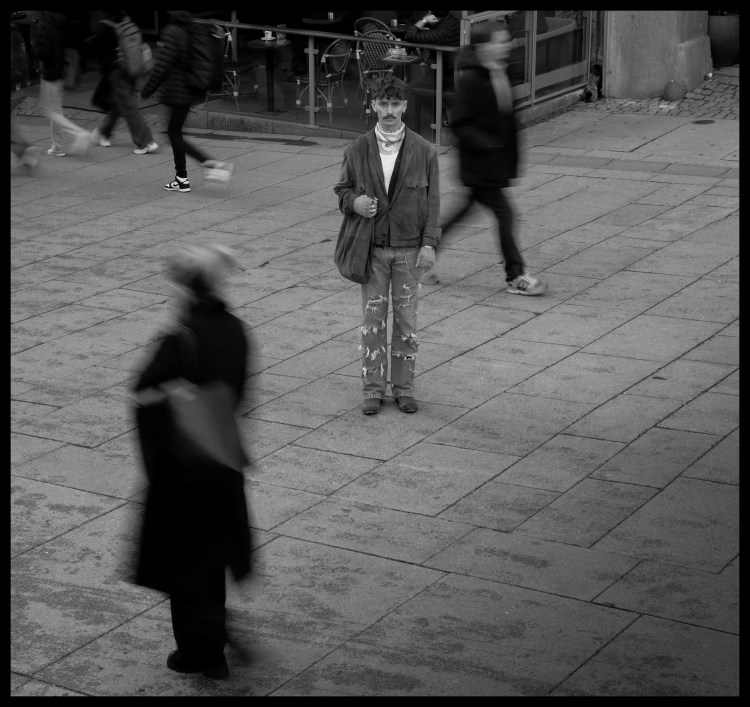
In the 80s and 90s — and especially in the decades before — photography wasn’t something everyone could do. Cameras were expensive. Film was limited. Access to galleries or publications was hard-earned. When people like Steve McCurry and Mary Ellen Mark created work, it stood out because it was rare and deliberate.
Fast forward to now — and everything’s changed.
Instagram turned the camera into a language we all speak. Everyone’s a photographer. Everyone’s “posting content.” And while that democratization is beautiful in many ways, it’s never been harder to be truly original.
But the good news? That makes it more rewarding than ever when you do.
This guide is for photographers who want longevity. If you want to stand out in a way that feels real, here’s how.
✧ 1. Find a Niche That No One Else Is Doing (Yet)
The fastest way to stand out? Do what no one else is doing. It sounds simple, but most photographers don’t even try, because standing out also means standing alone.
Most creators today travel to the same destinations, shoot the same angles, edit in the same tones. It’s aesthetic safety.
But think of Bruce Gilden — whose brash, flash-lit street portraits were uncomfortable and unforgettable. Or Vivian Maier, whose archive of soft, deeply observant street scenes didn’t follow anyone’s rules.
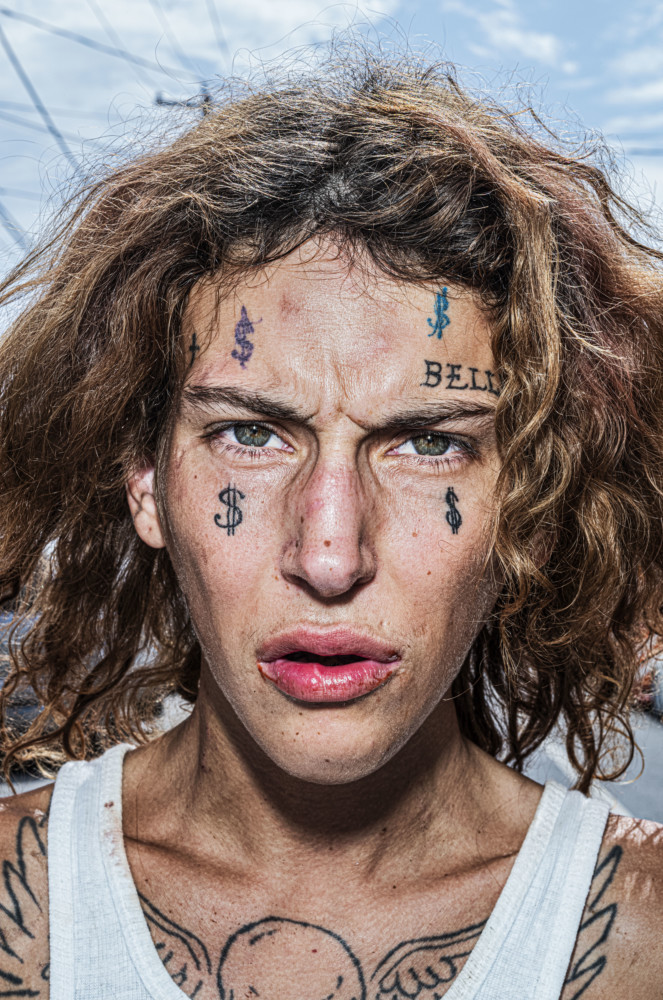
Photographer: Bruce Gilden
You don’t have to be loud or controversial. You just have to be your own.
Unique niche ideas to spark your creativity:
- Document entire scenes only through doorways or mirrors
- Shoot only in transition spaces: stairwells, parking lots, subway entrances
- Photograph ordinary moments at the exact same time each day
- Create a series focused on texture, not subject
- Tell stories only in diptychs — two frames per moment
Ask yourself: what do I never see in photography — and why not?
✧ 2. Develop a Visual Language (Not Just a Preset)
Editing is about tone, feeling and rhythm.
The photographers you recognize instantly (like Petra Collins or Ren Hang) have created a visual language. Their work feels like a world of its own.
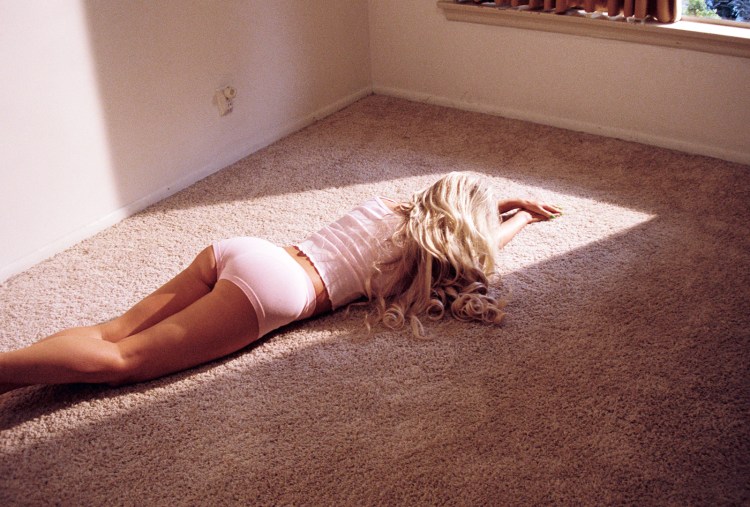
To develop yours, ask:
- What textures feel like me?
- Do I lean toward softness or contrast?
- How do I want someone to feel when they look at my images?
Ideas to experiment with:
- Limit yourself to one focal length or aspect ratio for 30 days
- Build a color palette based on emotion (not trends)
- Try underexposing intentionally — or blowing out highlights
- Explore “imperfections” (dust, blur, film grain) as stylistic tools
Remember: consistency doesn’t mean sameness.
✧ 3. Don’t Just Follow Trends — Anticipate What’s Next
Intentionally blurry frames? Big in 2023–2024.
Overlay text with serif fonts and poetic captions? Rising in 2025.
Mixed media collages and scanned film with handwritten notes? Gaining traction.
It’s okay to try trends, but don’t live there. Instead, observe where they’re headed and ask, what’s missing?
Ideas to try before they become overdone:
- Narrative series with minimal design (think: short visual essays with titles)
- Audio pairings — subtle background soundscapes to match your photos
- Photography zines made for digital sharing
- Interactive storytelling (slideshows with pauses, links, hidden layers)
Standing out means arriving where everyone else will go, but getting there first.
✧ 4. Take Inspiration, But Study the Why
Copying gets boring fast. But studying? That’s where your voice grows.
Pick 3 of your favorite photographs — the ones that make your chest ache a little — and write 2–5 sentences for each:
- What do you feel when you look at it?
- What choices did the photographer make (light, composition, distance)?
- Why does it linger in your mind?
- What’s something you could learn from it — without replicating it?
By reverse-engineering what moves you, you begin to understand your own instincts.
✧ 5. Let Your Voice Take Its Time
Most people rush to define their style. But style is something that emerges, piece by piece, as you keep showing up.
Let it be messy for a while. Let it evolve. The more you try things, the more you’ll find what sticks. And over time, your work will start sounding like you.
And when it does — no one else can copy it.
✧ Final Thought
In a sea of sameness, what makes you different is what makes you valuable.
Don’t worry so much about the technical stuff. You don’t need the best camera. You just need a point of view. A reason behind the work — and the willingness to follow it, even when it doesn’t fit in a grid.
The photographers we remember saw differently.
And you can too.
 MELISSA MARTINSEN