We often imagine that successful photographers broke into the industry with a formal art degree, or a huge online following. But in reality, there’s no single path. Many well-known photographers got their start in messy, nonlinear, deeply human ways.
Are you trying to figure out how to start a photography career without art school or funding? Then this post is for you!
Here are 10 photographers — some legends, some emerging voices — and how they got their foot in the door.
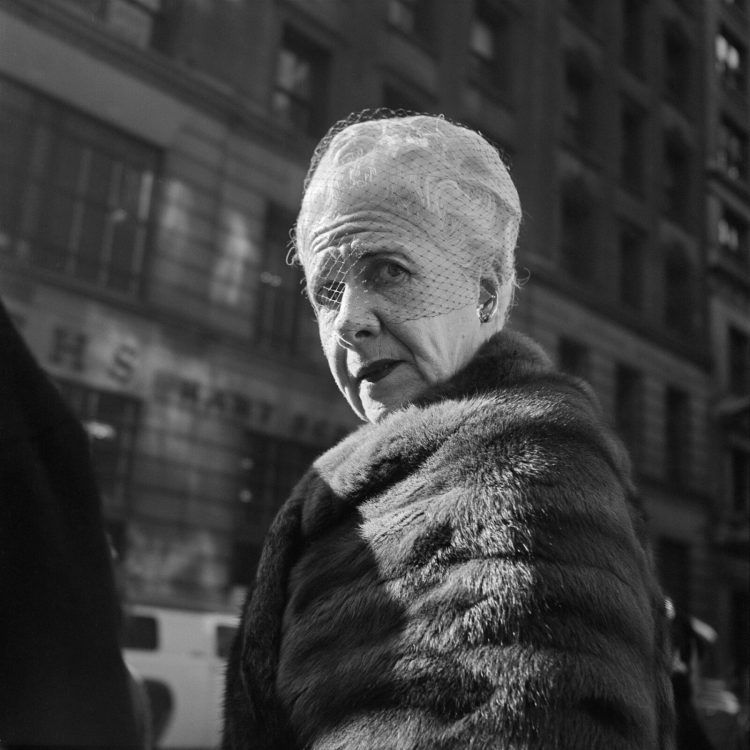
✧ 1. Vivian Maier — The Unintentional Icon
Vivian Maier was a nanny in Chicago who spent her life photographing the world with no intention of sharing it. Her work — now considered some of the world’s most iconic street photography — only gained traction after her death.
Lesson: Recognition doesn’t always happen on your timeline. Create the work because it matters to you, and let the rest unfold.
✧ 2. Garry Winogrand — The Relentless Observer
Known for his spontaneous and chaotic street scenes, Winogrand didn’t wait for permission to make his mark. He simply shot — thousands of rolls. His big break came when his work was exhibited at MoMA in 1963. But only after years of obsessive, unpaid practice.
Lesson: Practice is your career. Shoot constantly. Your eye sharpens long before the industry notices.

✧ 3. Alec Soth — The Magazine Pitcher
Alec Soth was photographing along the Mississippi River for years before his series Sleeping by the Mississippi gained traction. What helped? He pitched his story to magazines, galleries, and contests consistently — and kept refining it. Eventually, he got picked up by Magnum.
Lesson: If you believe in a project, don’t wait to be “discovered.” Pitch it. Edit it. Re-pitch it.

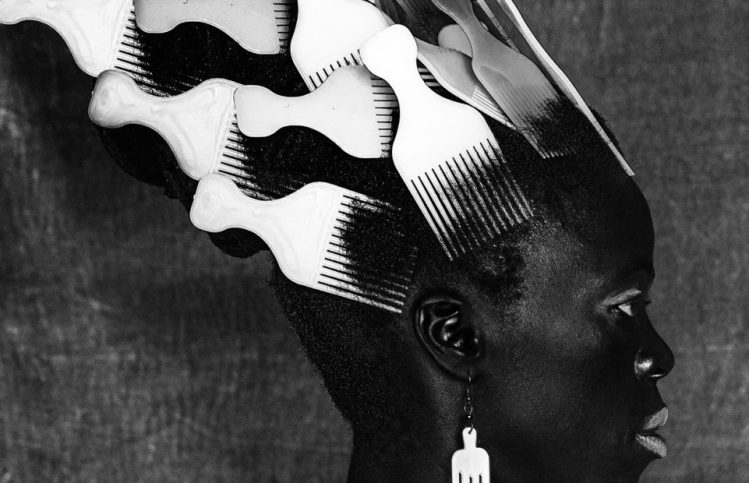
✧ 4. Zanele Muholi — The Self-Defined Storyteller
Zanele Muholi began photographing Black LGBTQIA+ people in South Africa as a response to violence and erasure. Without waiting for industry validation, they created Faces and Phases. It’s a personal, political, and powerful portrait series that gained global attention for its honesty and urgency.
Lesson: Sometimes your story isn’t in the mainstream, until you put it there.
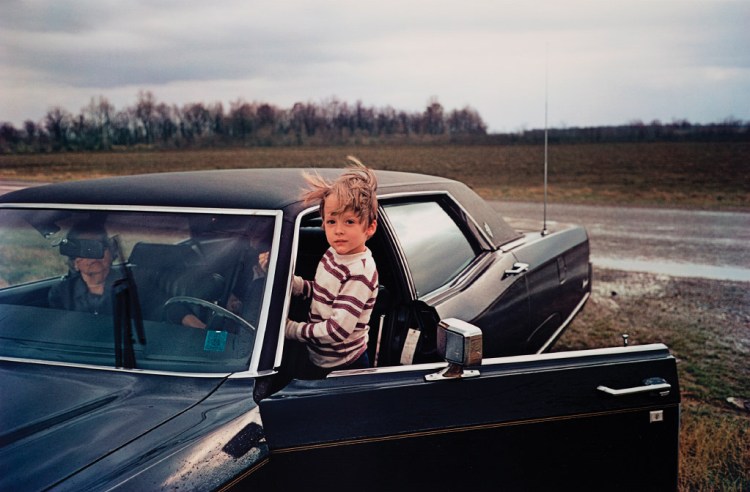
✧ 5. William Eggleston — The Rule Breaker
Before Eggleston, color photography wasn’t considered “fine art.” He didn’t ask if it was allowed — he just did it. His 1976 MoMA show (the museum’s first solo color photography exhibit) was a turning point in visual history.
Lesson: Do the work that excites you, especially if no one else is doing it. Be early. Be weird.
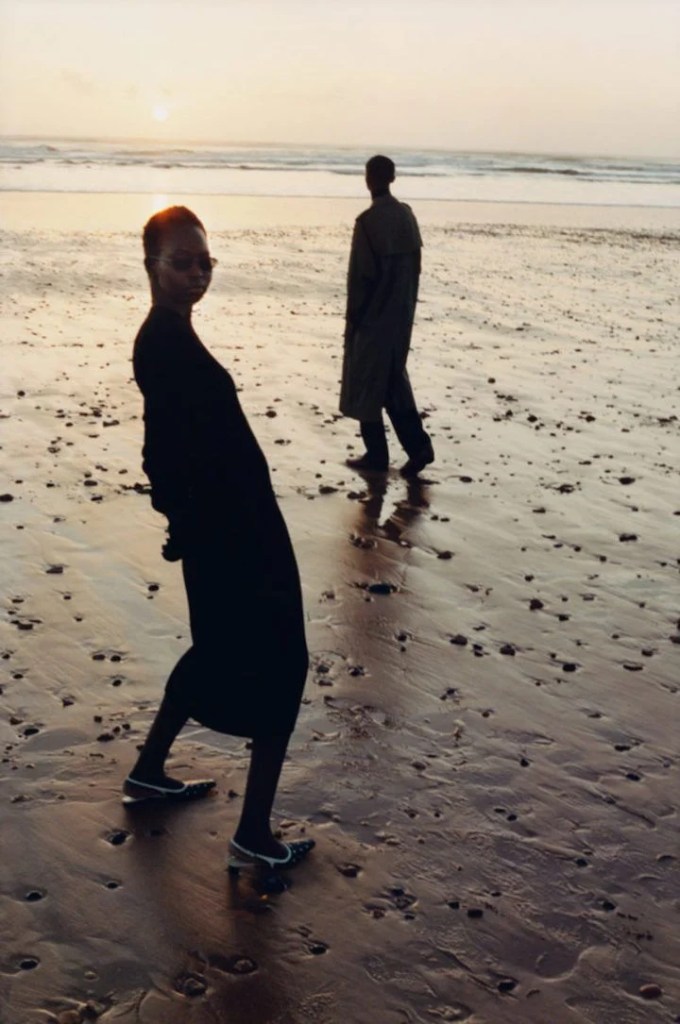
✧ 6. Tyler Mitchell — The Instagram Leap
Tyler Mitchell went from shooting videos of his friends to becoming the first Black photographer to shoot a Vogue cover (Beyoncé, 2018). His path? A mix of self-published zines, social media, and shooting what felt culturally personal, not trendy.
Lesson: Use what you have. Create now, not later. Your online presence can be a portfolio if it’s intentional.
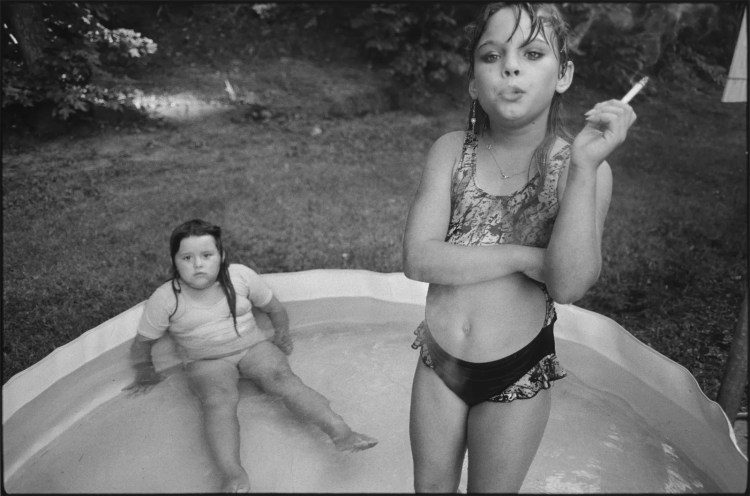
✧ 7. Mary Ellen Mark — The Immersive Journalist
Mary Ellen Mark built her career by immersing herself in the lives of her subjects. They ranged from street kids in Seattle to patients in mental institutions. She didn’t wait to be assigned stories. She found them herself, funded many projects on her own, and then pitched them to editors.
Lesson: Show editors the story they didn’t know they needed. Go deeper than anyone else is willing to.
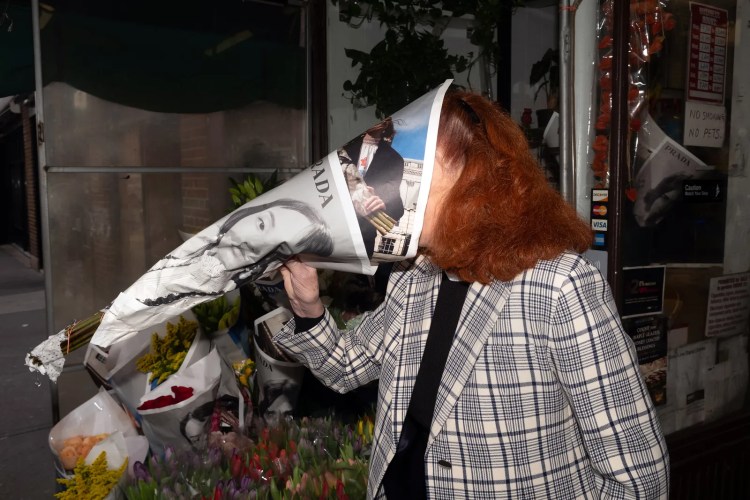
✧ 8. Daniel Arnold — The Viral Underdog
Arnold was a nobody in the industry until one of his street photos went viral on Instagram. The attention led to features in The New Yorker and The New York Times. However, it started with him simply sharing raw, imperfect, human moments.
Lesson: You don’t need polish to be powerful. Be real, and show up consistently.
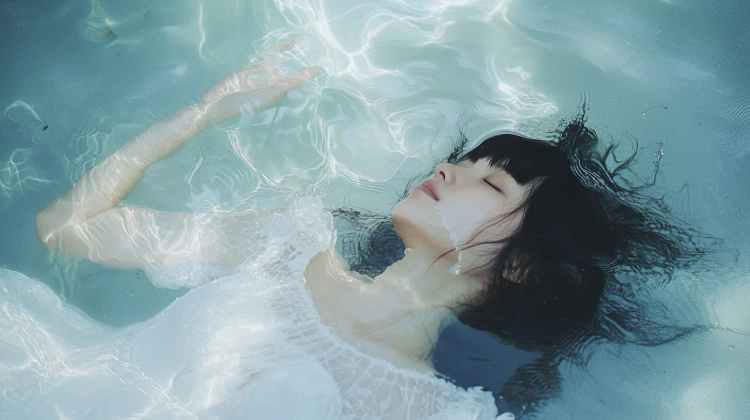
✧ 9. Rinko Kawauchi — The Quiet Poet
Kawauchi didn’t chase dramatic scenes. Her work is soft, simple, and emotional. Her breakout moment came with her book Utatane, published in Japan, and later celebrated internationally. She never changed her style to fit in.
Lesson: There is space for gentleness in a loud industry. You don’t have to shout to be seen.
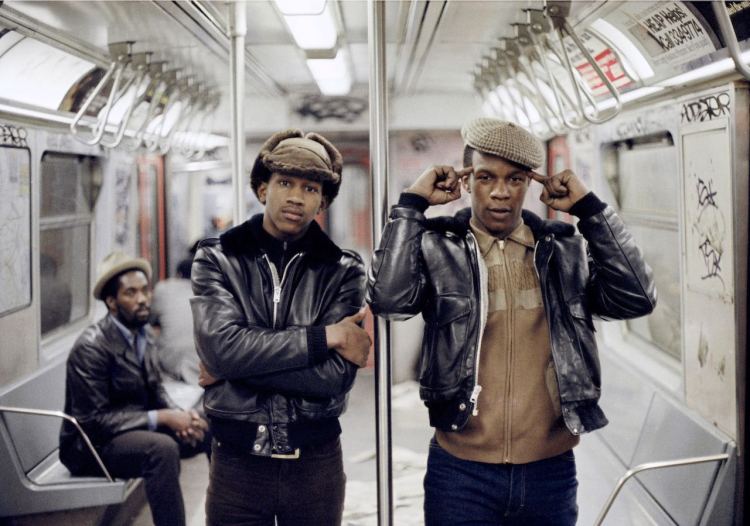
✧ 10. Jamel Shabazz — The Community Archivist
Shabazz began photographing people on the streets of New York in the 1980s — particularly in the hip hop scene. His approach was collaborative, respectful, and personal. His work became a time capsule of culture — long before it was recognized by institutions.
Lesson: Document your community with care. What feels small now may become essential history.
✧ So… How Do You Break In?
Here’s what these stories show: there’s no perfect way to start a photography career. Some win awards. Some post to Instagram. Some pitch endlessly. Some go completely unnoticed — until they don’t.
What they all share is this: they did the work.
And they kept doing it, even when no one was watching.
✧ Final Thought
You don’t need an MFA to be a photographer.You don’t need a gallery show, a camera upgrade, or a huge following.
What you do need is a voice. A question. A point of view. And the guts to keep showing up for it until someone else sees what you already do.
 MELISSA MARTINSEN