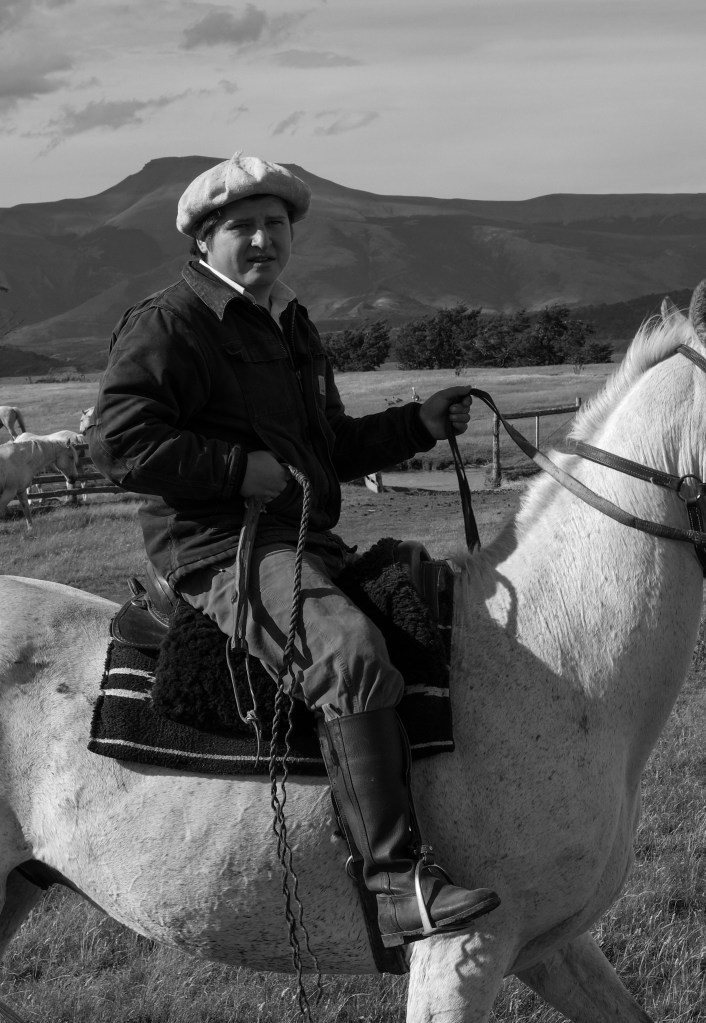
Approaching strangers and storytelling with depth and respect
There’s a fine line between photographing people while traveling and turning them into props in your visual story. As photographers (especially when we’re on the road) it’s easy to fall into the trap of documenting the exotic. We’re drawn to the other, or the different—without truly seeing the human being behind the lens.
So how do we photograph people in unfamiliar places with respect, dignity, and depth? How do we tell stories with people, not just about them?
Here’s how to approach this essential part of travel photography with intention.
1. Be Curious Before You’re a Photographer
Before raising your camera, pause and be a person first. Ask yourself:
- Who is this person?
- What moment are they in?
- What brought me to this moment?
Curiosity—not capture—should be your first instinct. Learn to notice details. Those are often the photographs that carry weight.
Try this: Spend a full hour in a local square or café without taking a single photo. Observe. Listen. Let your presence become part of the space before even thinking about framing it.
2. Ditch the Zoom Lens
When photographing people, a long lens might get you the shot—but it rarely gets you the connection. Wherever possible, get closer. Use a 35mm or 50mm lens that invites you to interact. When you’re physically present, your subject can choose to acknowledge, welcome, or decline your attention. That choice matters.
Connection often creates better images than distance ever could.
3. Ask for Permission—and Know When You Don’t Need To
Consent is nuanced. Sometimes, asking outright breaks the authenticity of a moment. Other times, not asking is an intrusion.
Use your judgment.
- If someone is clearly performing, working, or in a moment of pause, consider asking.
- If the moment is fleeting—like a street vendor handing over change—it may be enough to smile afterward, show the image if you can, and offer a thank you.
Rule of thumb: If you wouldn’t want the same photo taken of yourself in that context, reconsider.
4. Carry a Few Sentences in the Local Language
A simple phrase like “Can I take your photo?” or “You look beautiful—may I photograph you?” in the local language shows humility and effort. It builds trust, and often opens the door to deeper conversations—or unexpected photo opportunities.
Tip: Write these down and carry them in your pocket if pronunciation is tricky.
5. Make It a Dialogue, Not a Transaction
If someone agrees to be photographed, don’t just click and leave. Take time to learn their name. Show them the image. Offer to send it if they’d like (have a WhatsApp or email contact form saved in your Notes app for ease).
Ask them questions:
- What do they do?
- What does this place mean to them?
- How do they want to be seen?
Let their answers shape how you photograph them.
6. Think Long-Term, Not Just Instagram
The photo you take on the road isn’t just for the algorithm. It’s a record of someone’s real moment, in a real life, far beyond your feed.
Before sharing, ask:
- Is this image respectful?
- Am I reinforcing a stereotype?
- Would I be proud to show this to the person in it?
If the answer is no—rethink it.
7. Storytelling Tip: Photograph Context, Not Just Faces
A close-up portrait is powerful, but don’t forget the scene. Shoes dusty from walking. A half-eaten meal. Tools of work laid out with precision. These images often say as much as a face, and they honor the subject’s story without requiring them to “pose.”
Final Thoughts: Be a Witness, Not an Interruption
Photographing people while traveling is a privilege, not a right. The goal isn’t just to come home with “great shots.” It’s to engage with the world as an observer, a listener, and—when welcomed—a storyteller.
In the end, the best portraits don’t simply show what someone looks like. They hint at who they are.
 MELISSA MARTINSEN