The original story was commissioned by The European Correspondent.
In the Spanish province of León, wildfires have become more than a seasonal disaster. They’re the symptom of a deeper crisis. This story explores the triangle between political inaction, rural depopulation, and the exhaustion of those left to defend the land. It asks what happens when the people who once cared for the countryside are gone. Who, if anyone, will protect it now?
This summer, León burned. Dozens of wildfires tore through the province, leaving behind blackened hills and forests of ash. More than 140,000 hectares were lost in Castilla y León, one of Spain’s hardest-hit regions.
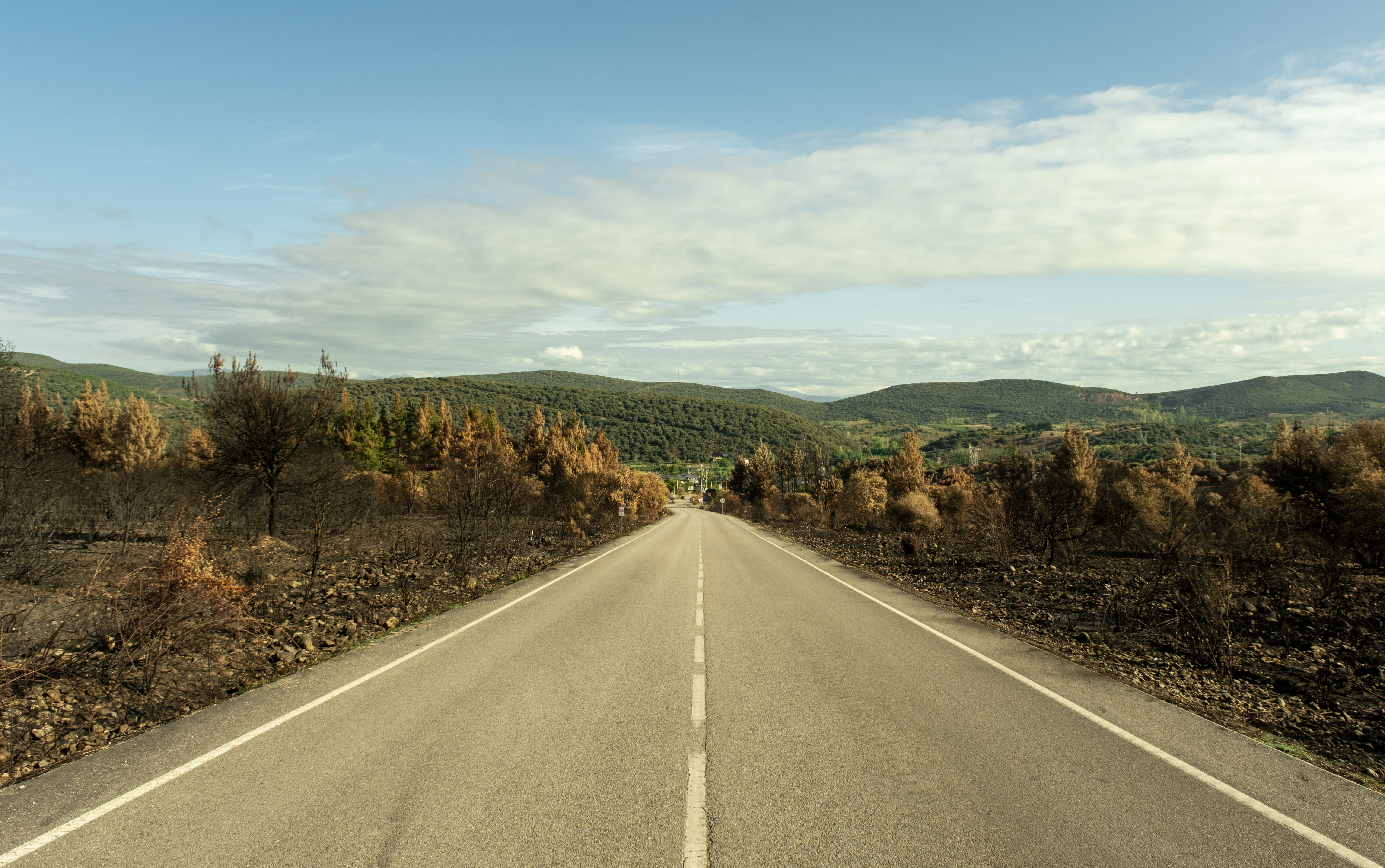
Aftermath of this summer’s wildfires 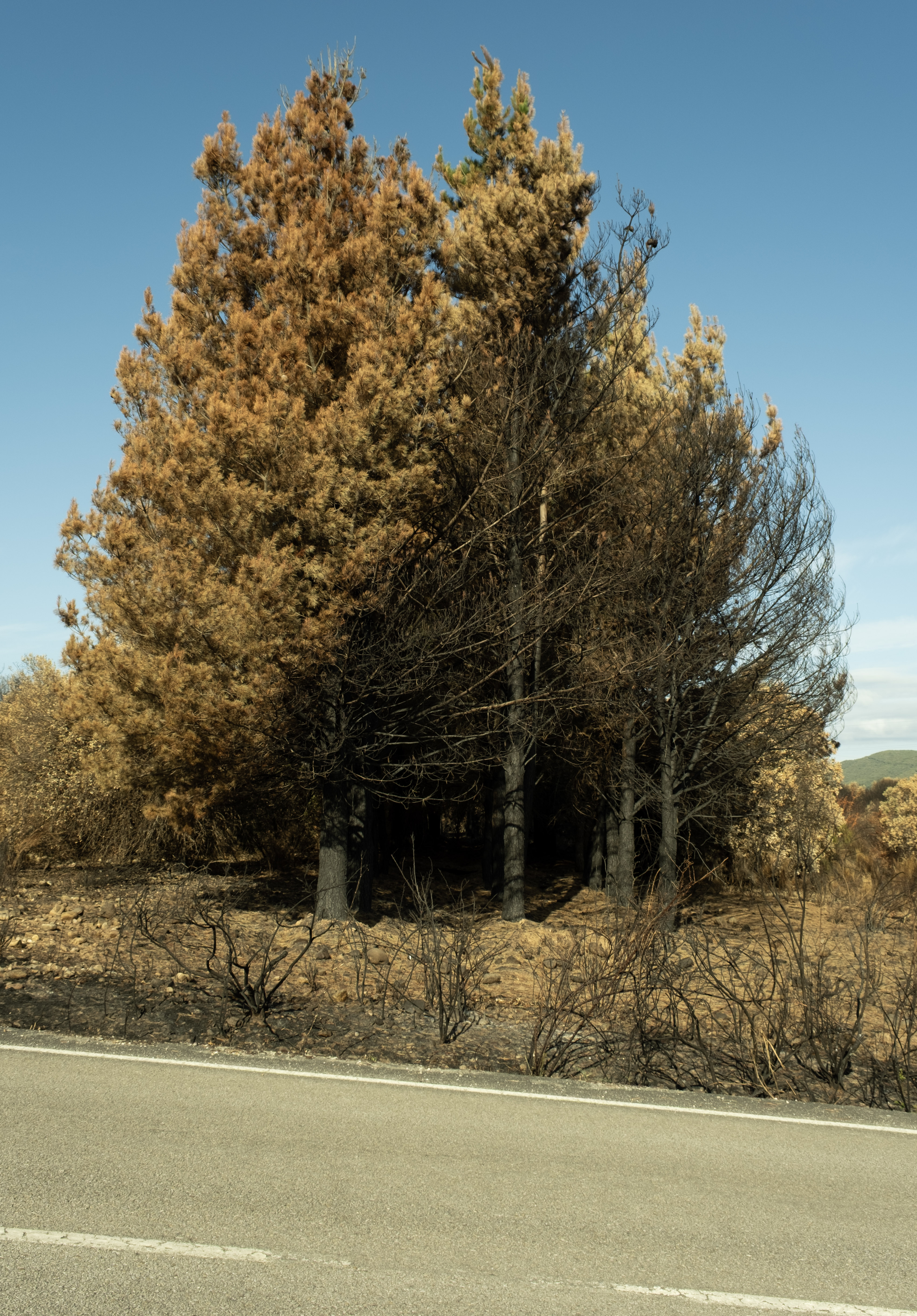
Aftermath of this summer’s wildfires 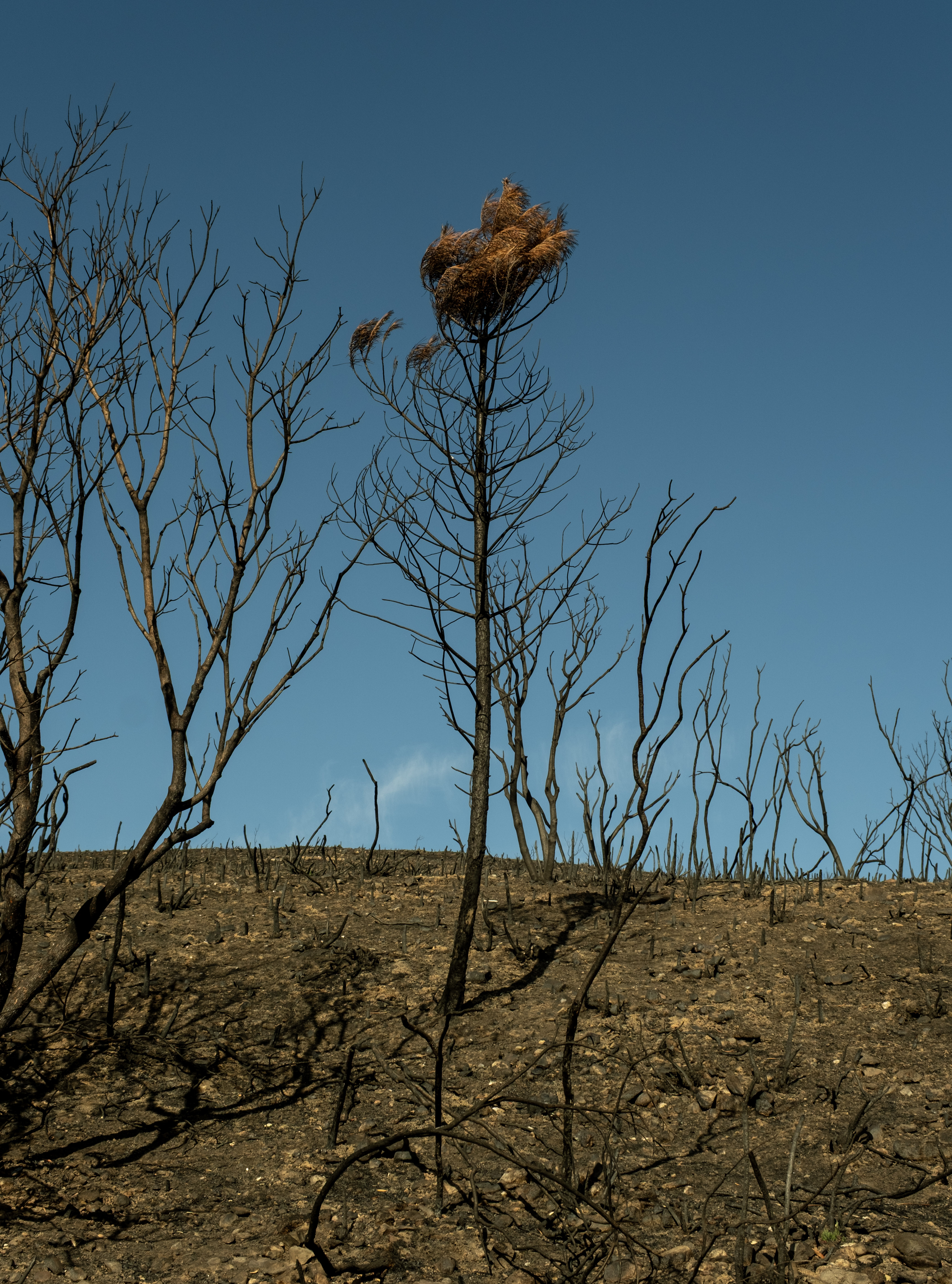
Aftermath of this summer’s wildfires 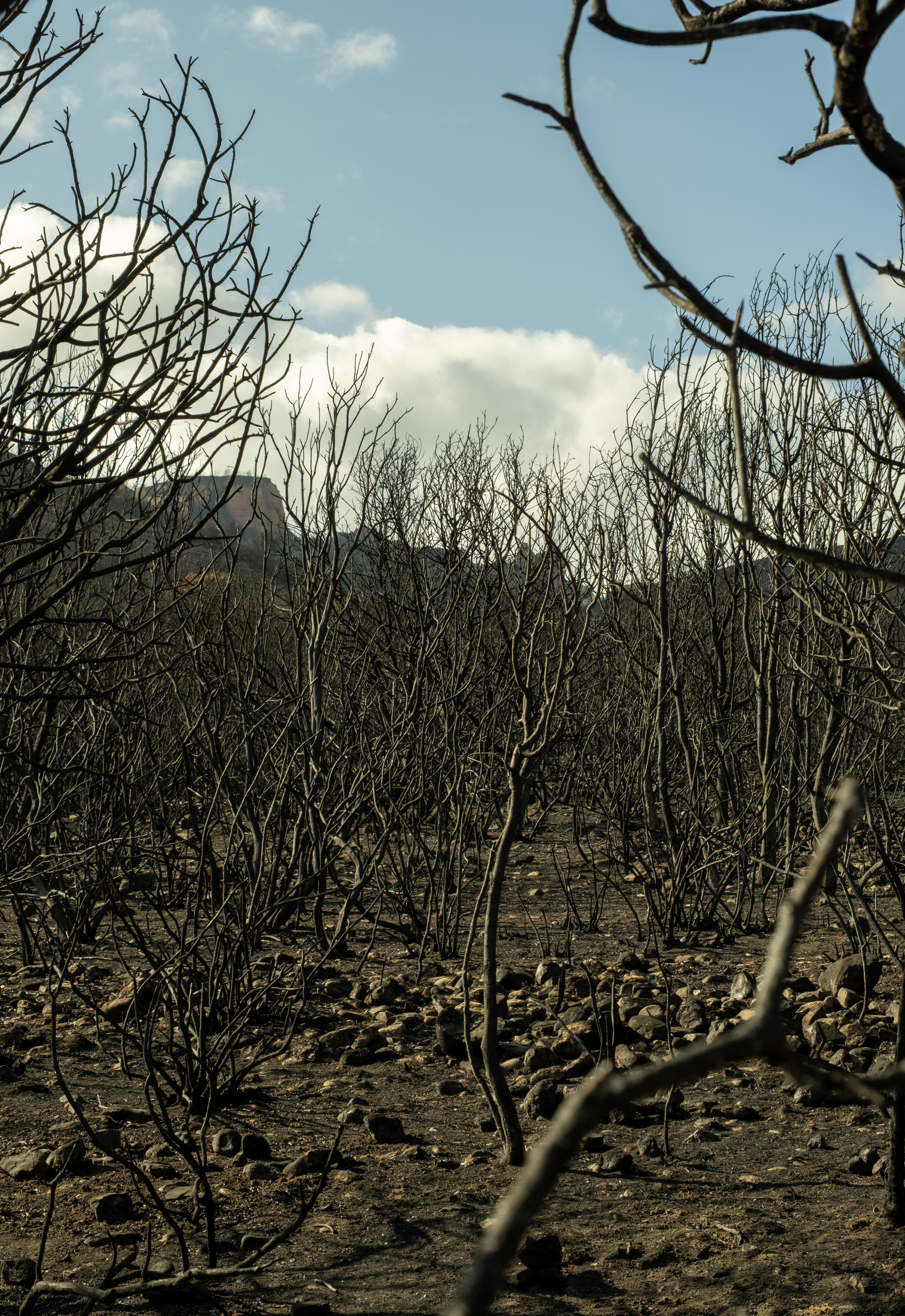
Aftermath of this summer’s wildfires 
Aftermath of this summer’s wildfires 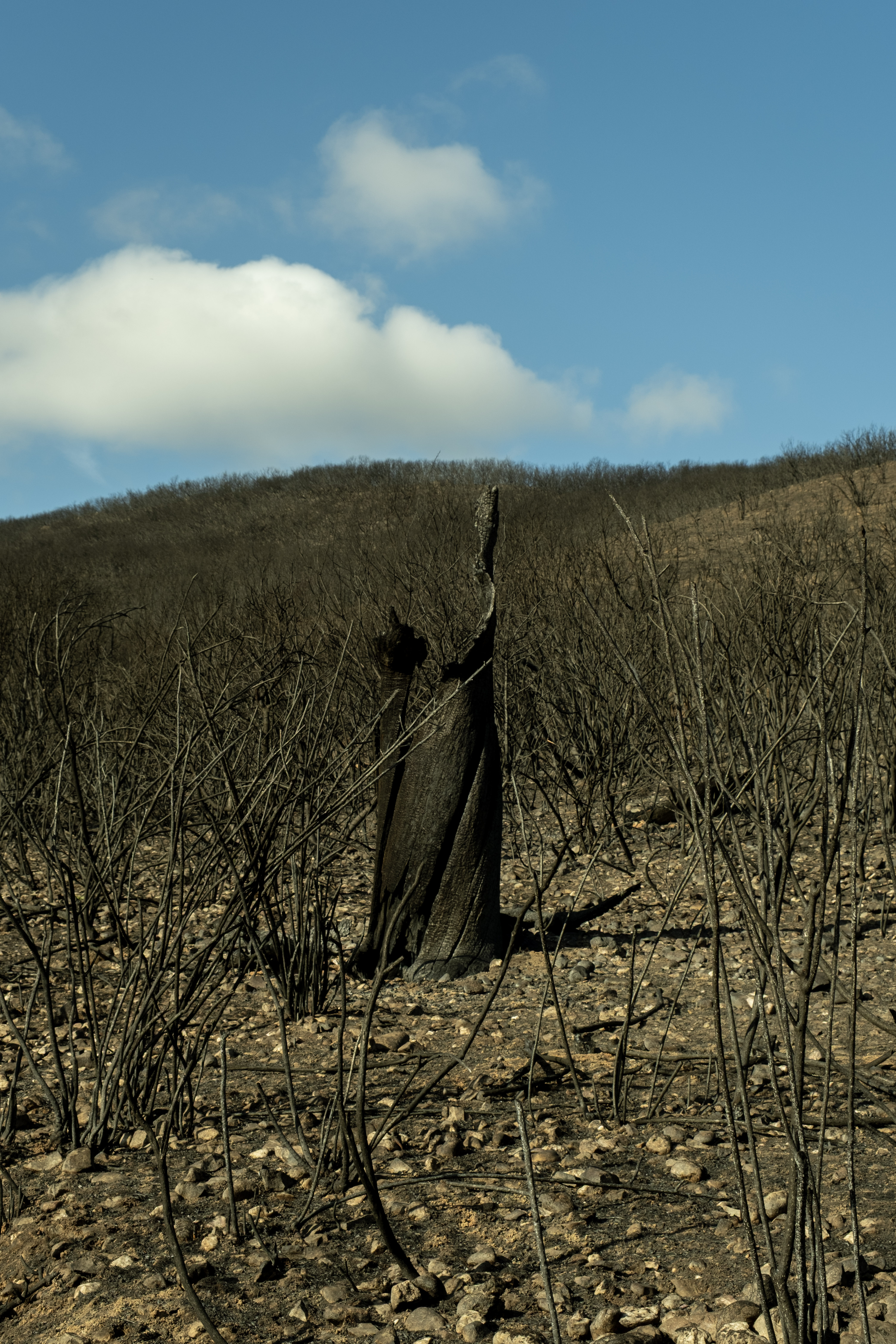
Aftermath of this summer’s wildfires 
Aftermath of this summer’s wildfires 
Aftermath of this summer’s wildfires 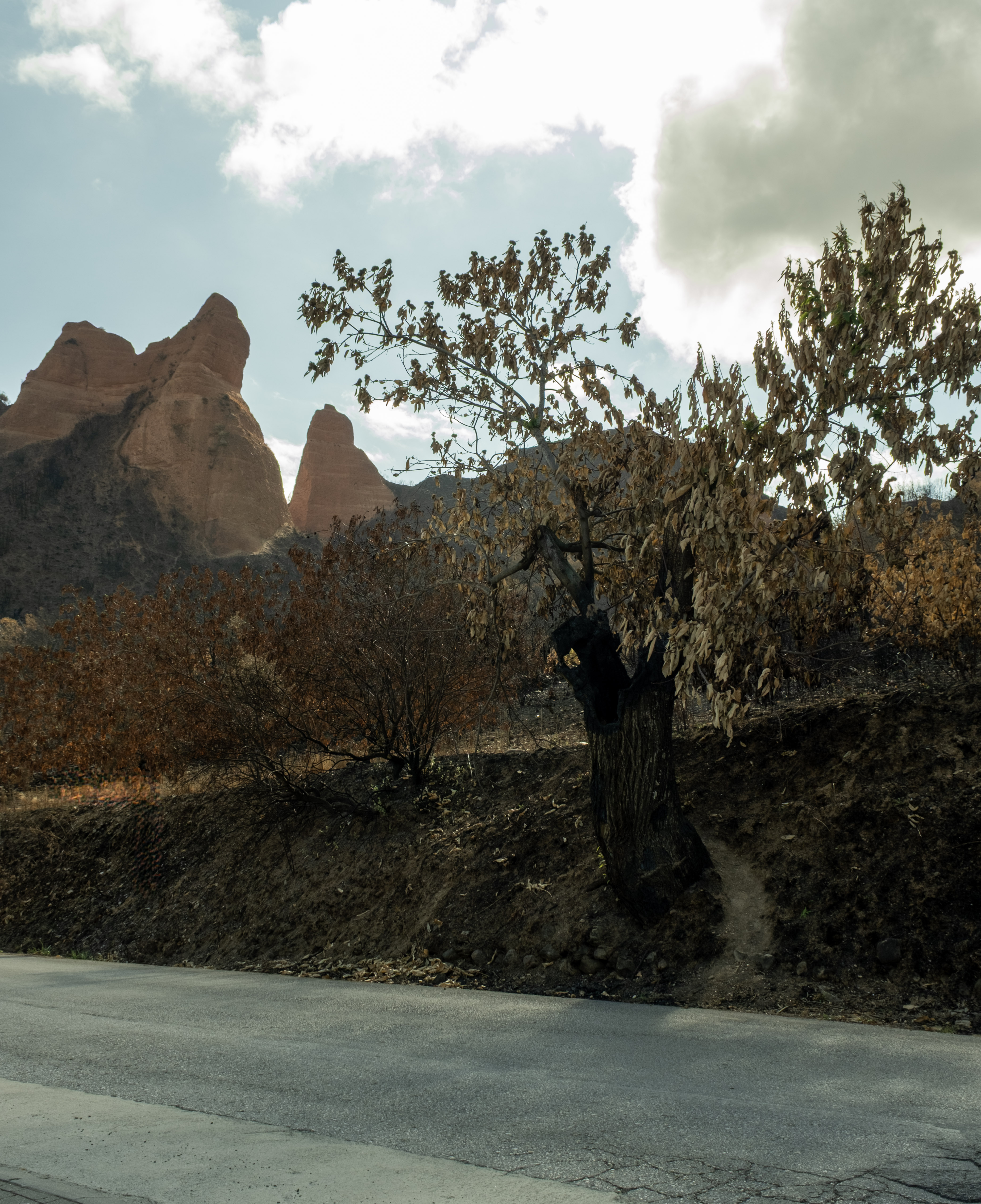
Aftermath of this summer’s wildfires
This summer, one firefighter didn’t make it home.
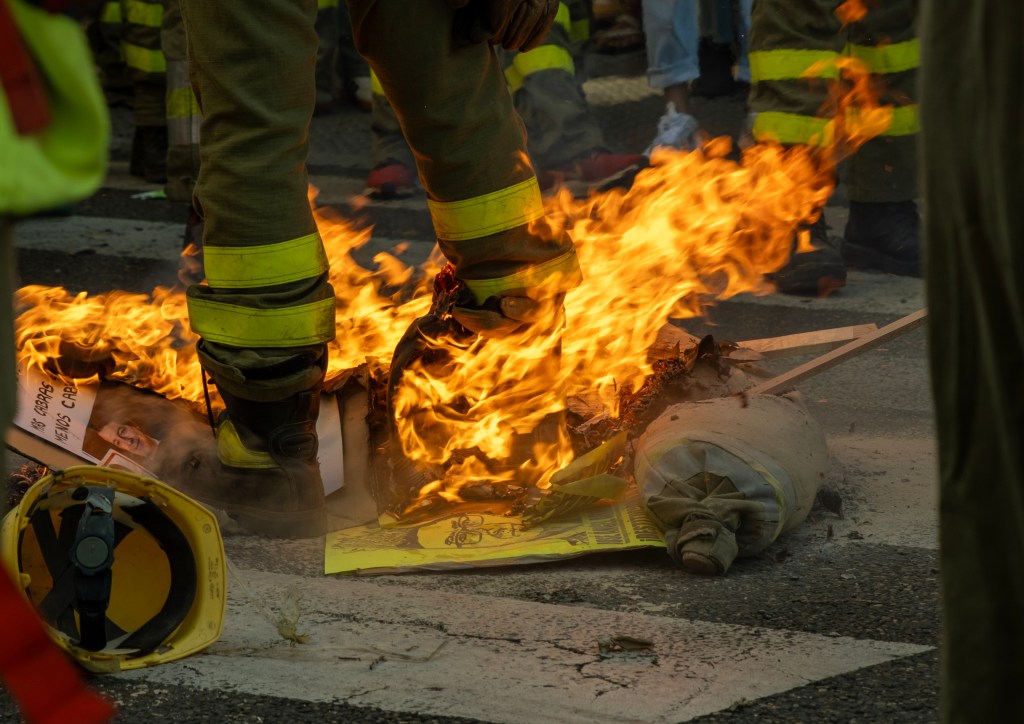
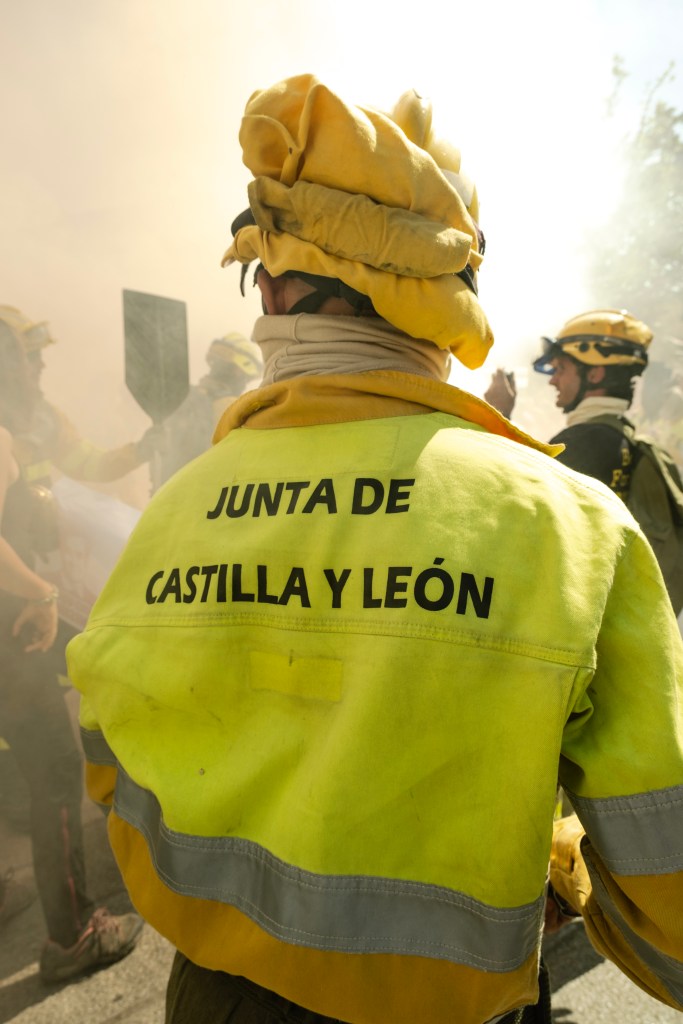
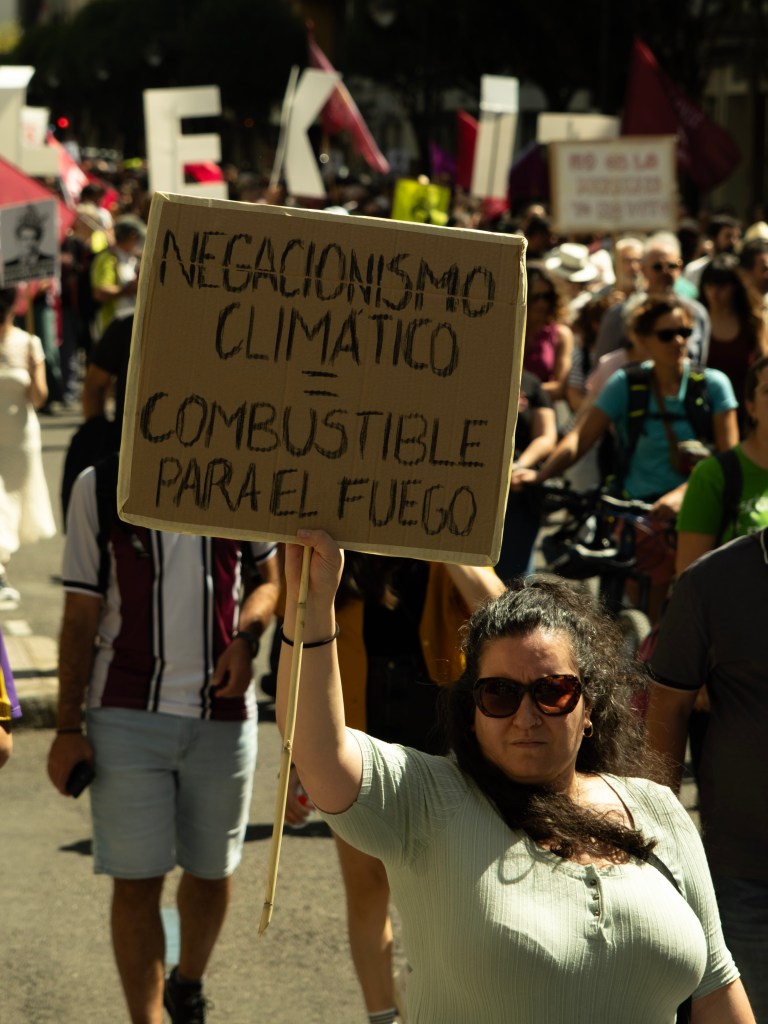
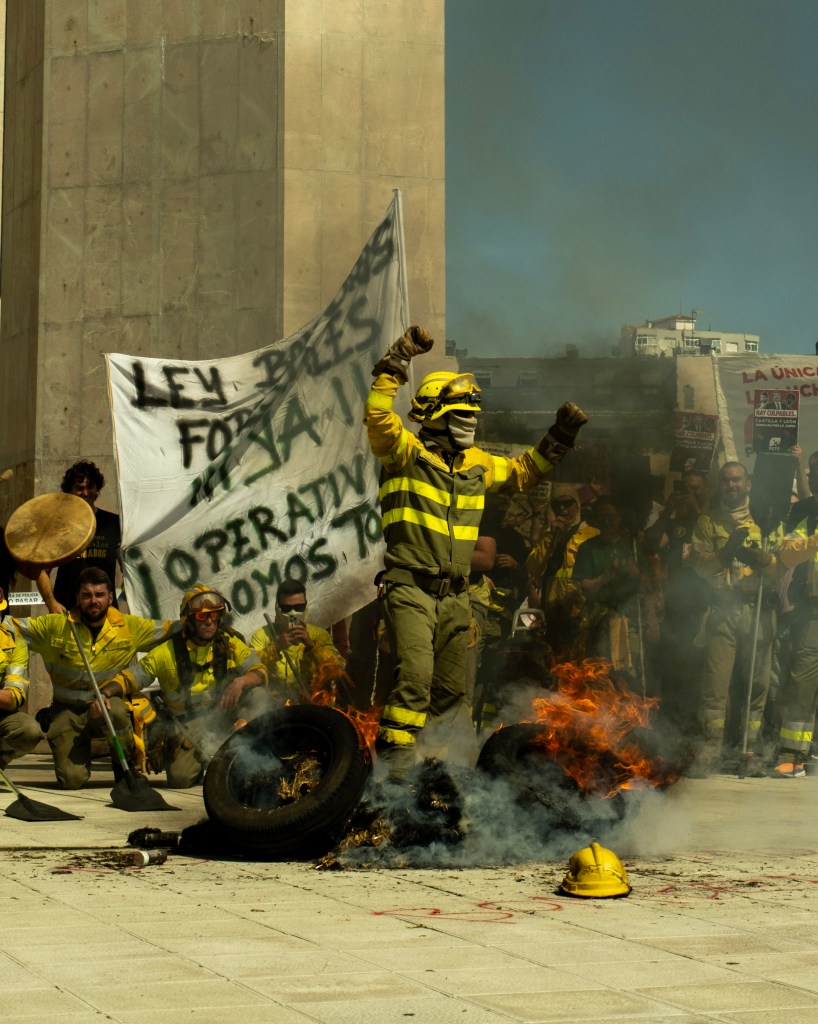
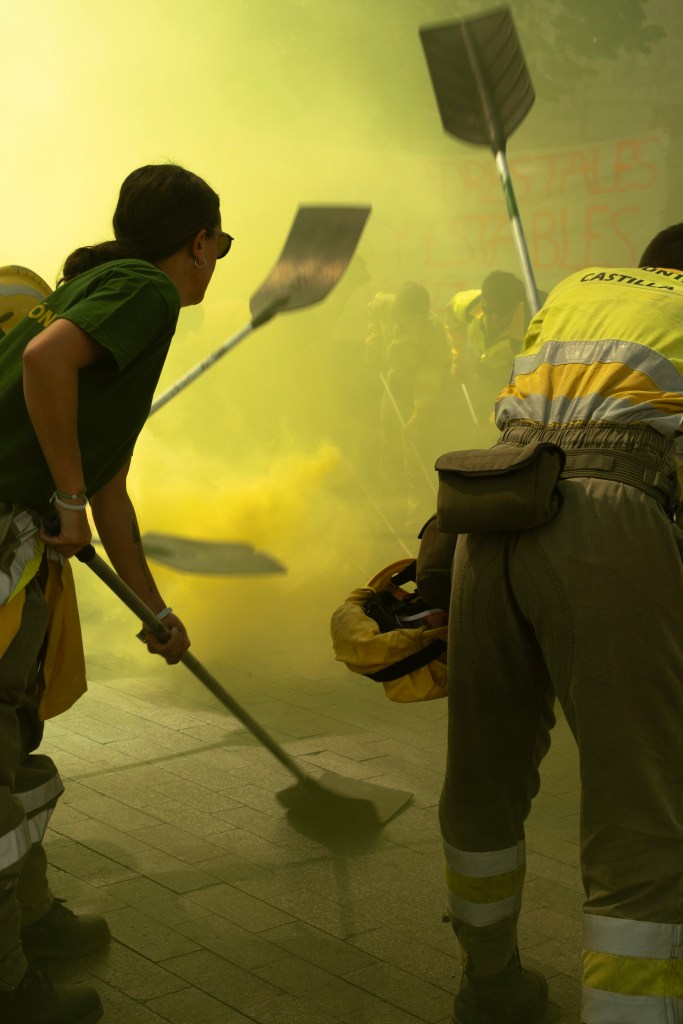
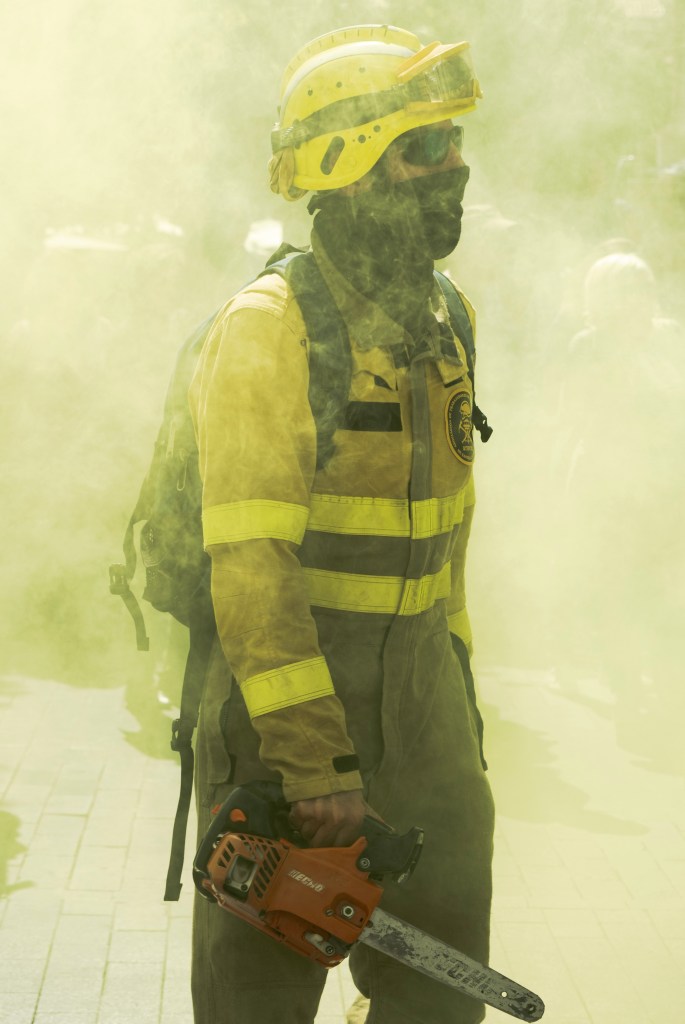
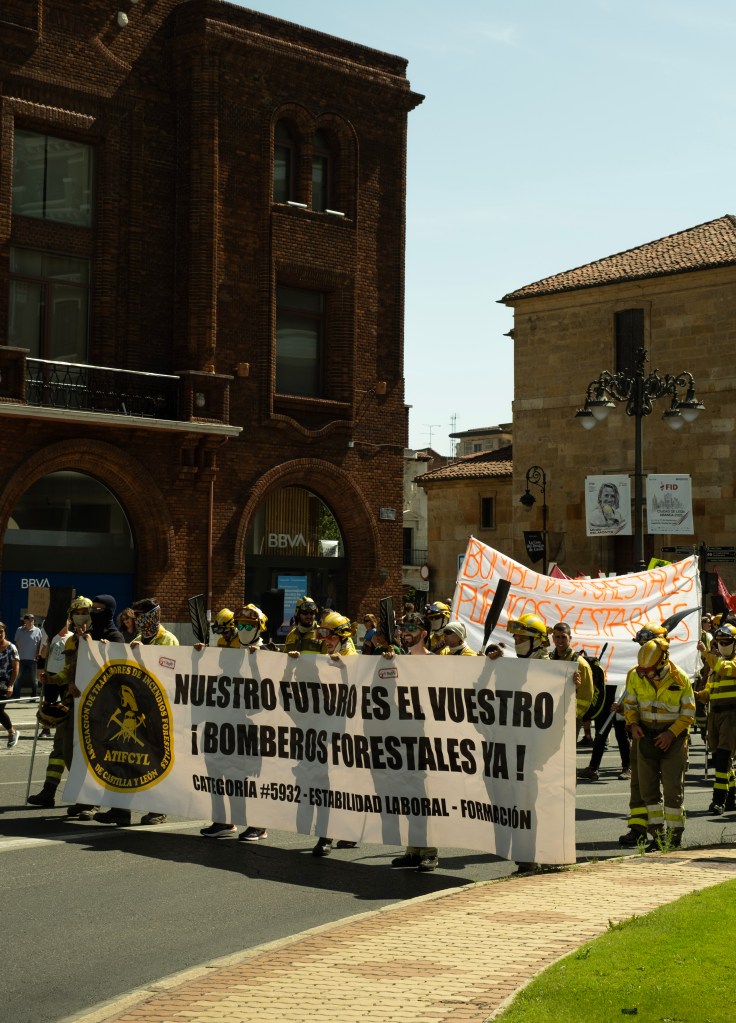
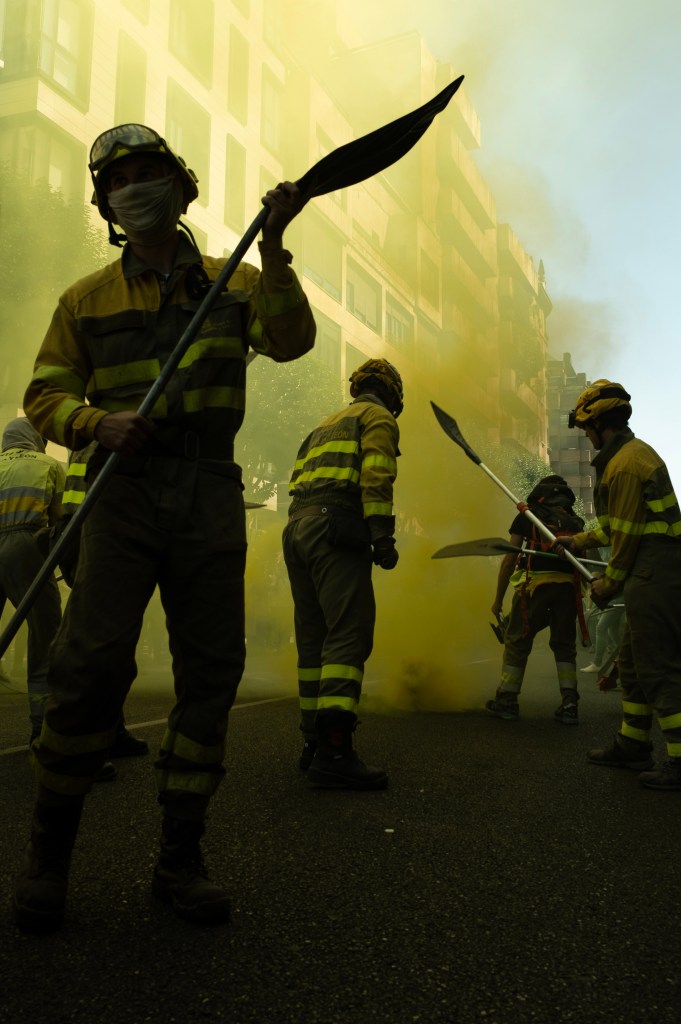
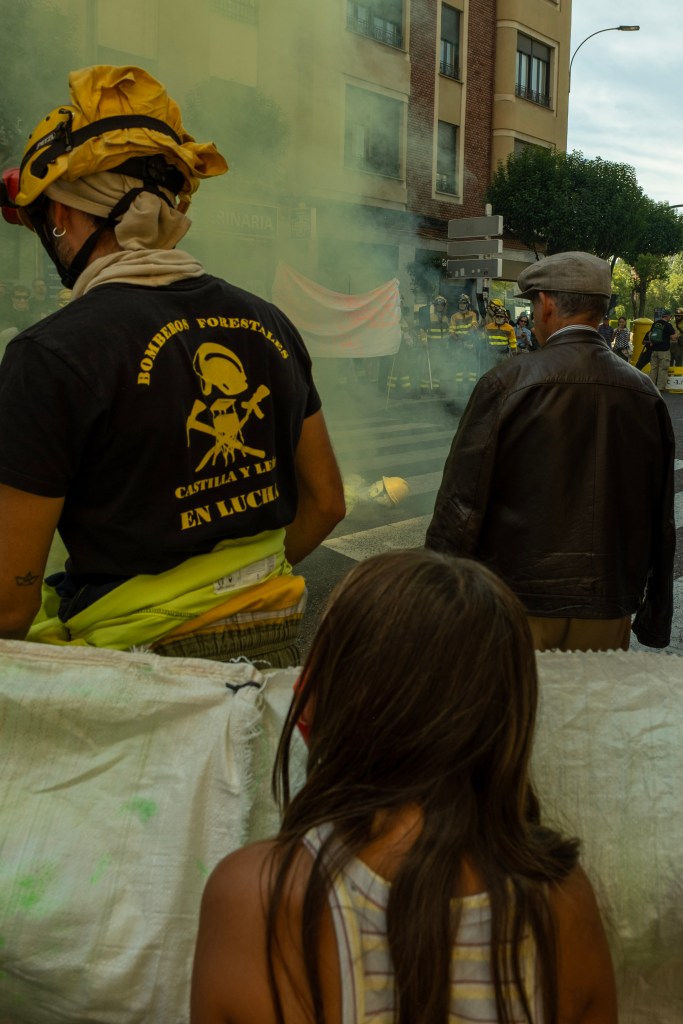
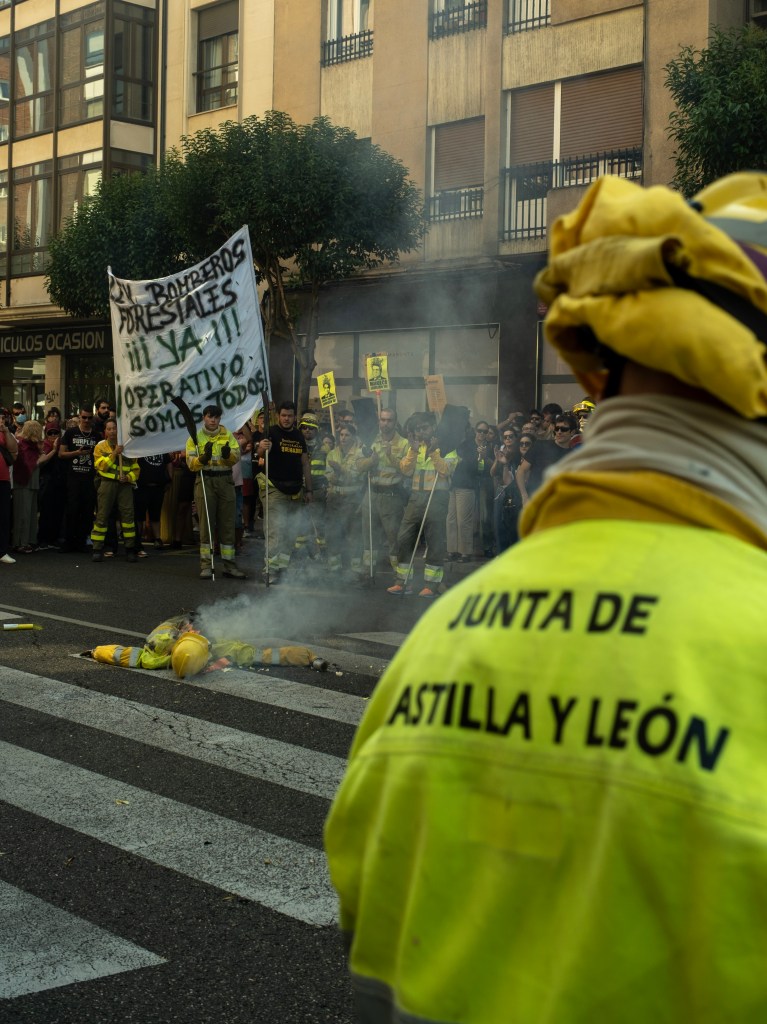
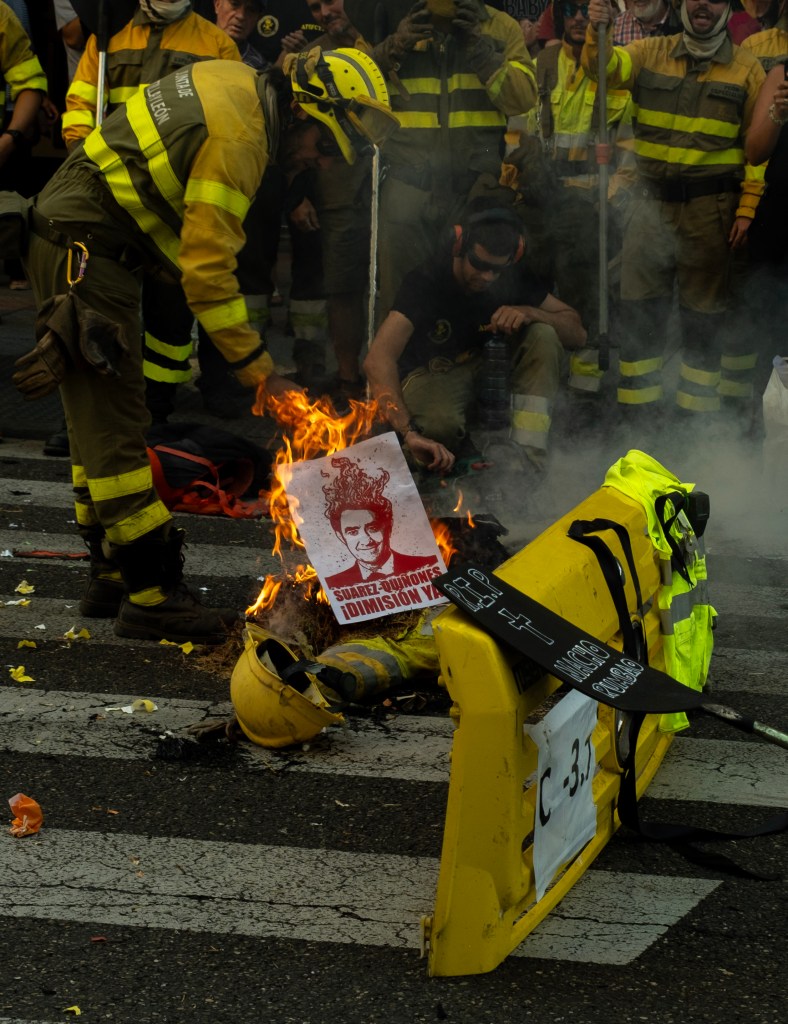
On September 6, hundreds gathered in León to demand accountability. For weeks on end, firefighters had battled the flames without rest. “We worked until collapse, with tears in our eyes and blisters on our feet.” Now they marched through the city, calling for the resignation of regional leaders Alfonso Fernández Mañueco, Juan Carlos Suárez-Quiñones, and José Ángel Arranz. The forest fires are out, but new flames burn in León’s streets. The message is clear: prevention has failed.
In Castilla y León, forest firefighters are hired through private companies, underpaid, and often lack proper training or gear. They receive funds only to fight fires, not to prevent them. Many commanders have never faced a real fire before. The winter work — pruning, clearing, tending to the land — goes undone, and the countryside grows wild.


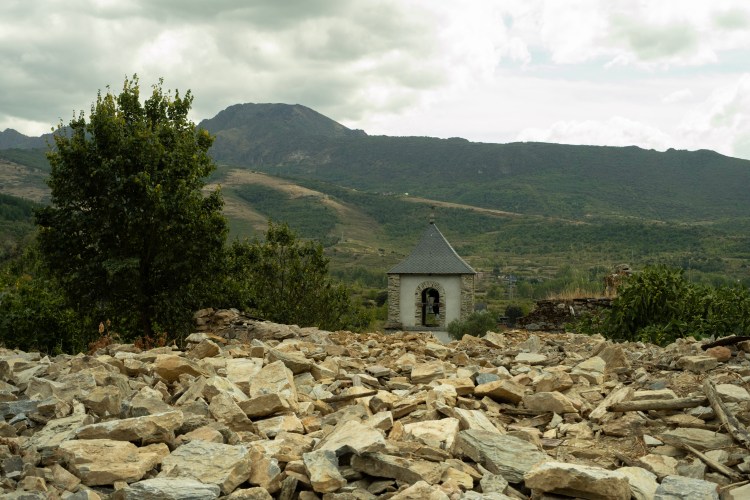
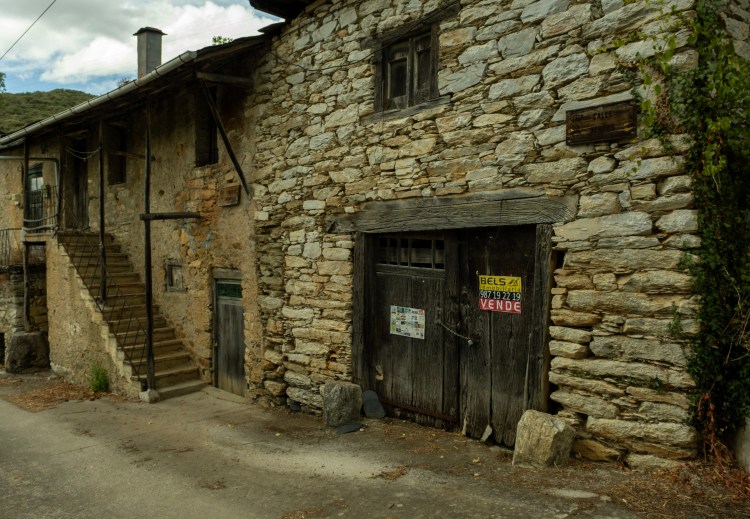
Across Spain, silence has spread faster than fire. In the province of León alone, more than one in four villages now has fewer than 20 inhabitants. Eleven stand completely empty. Stone houses collapsed under decades of neglect, and fields have been reclaimed by weeds and pine.
The trend began long before the fires. Mechanisation of agriculture, the lure of city jobs, and decades of uneven development drew generations away from rural life. As schools and hospitals closed, families followed. What remains are ghost villages scattered across the mountains.
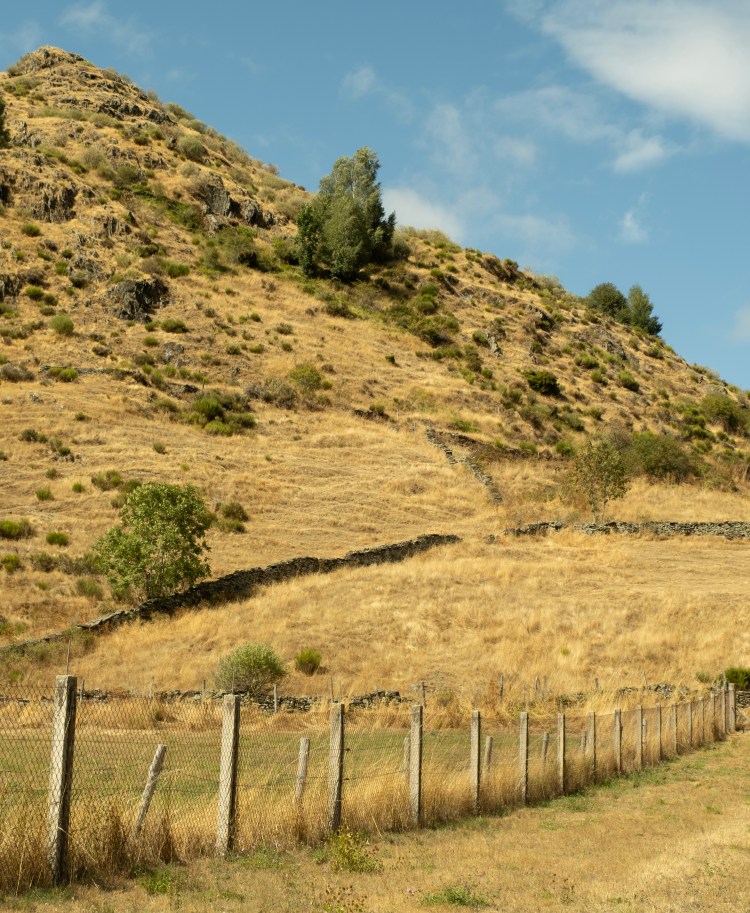
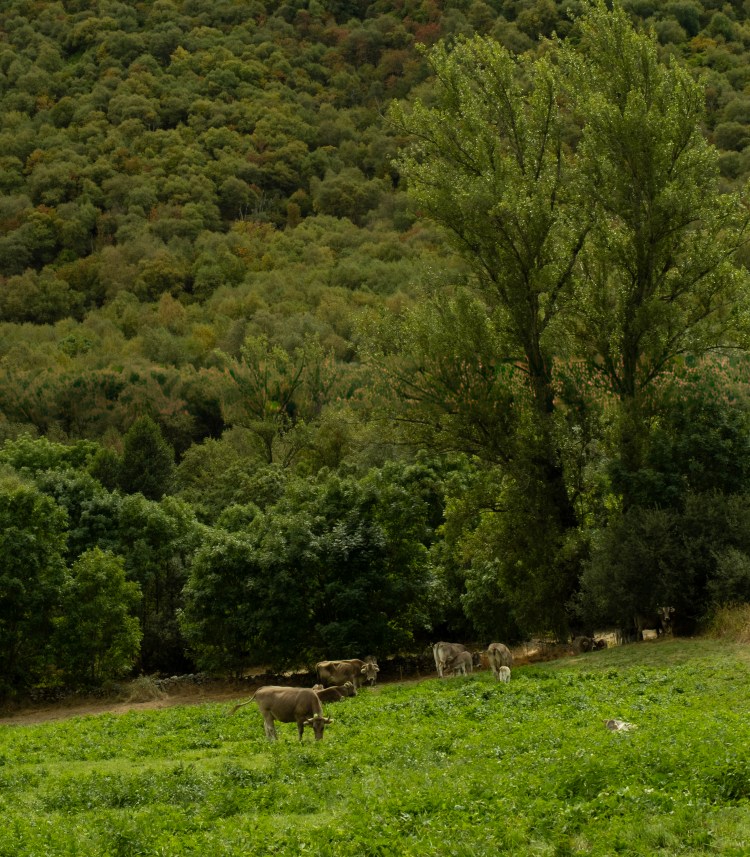
Abandonment erases a way of life. It reshapes the land itself. Without farmers and shepherds to clear brush, graze animals, or maintain paths, forests thicken and dry. Each empty house becomes a symbol of what’s missing: the human hands that once kept fire at bay.
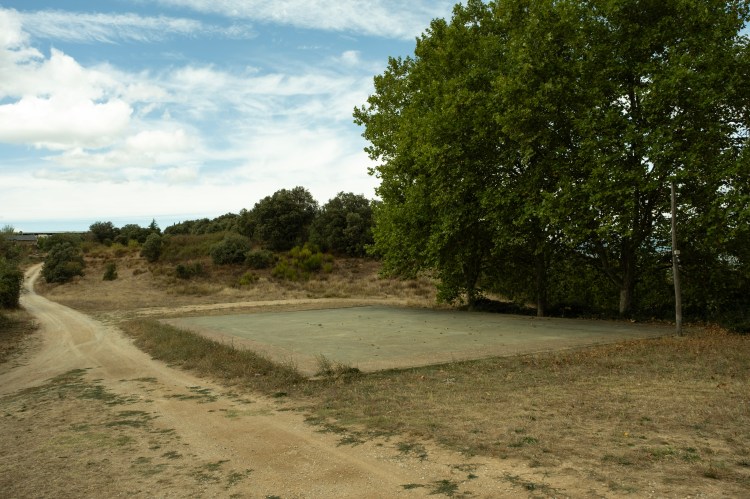
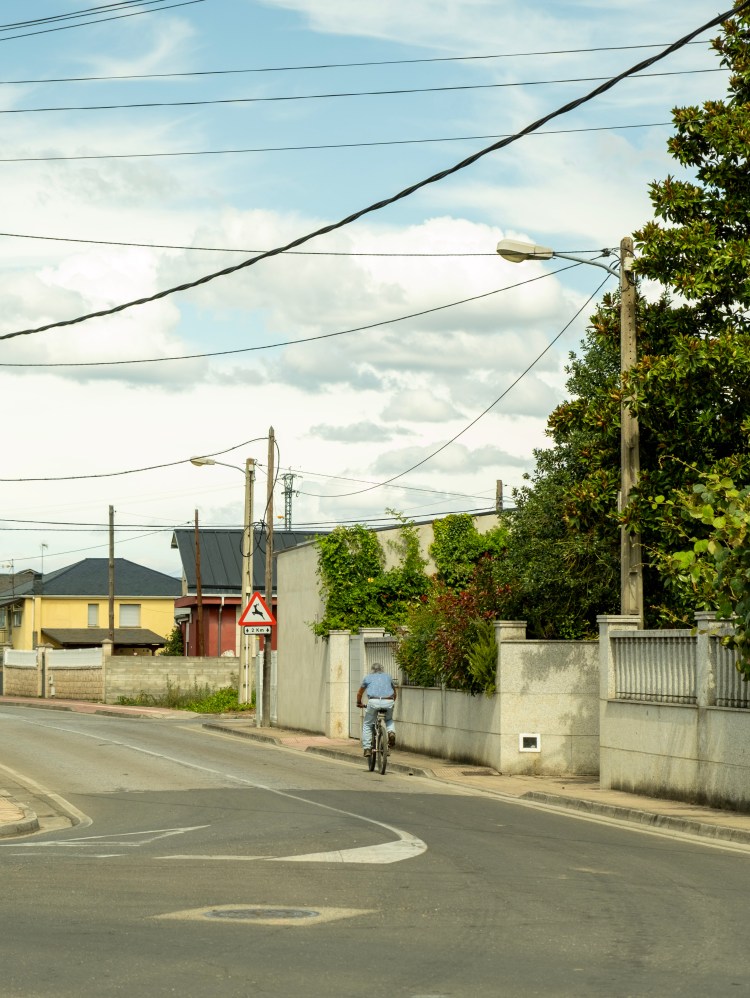
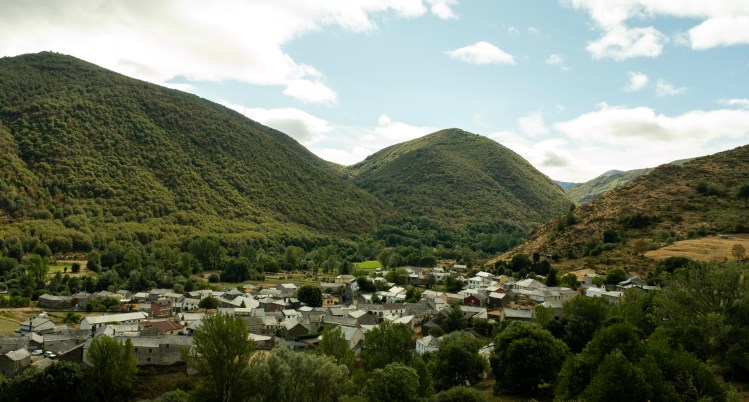
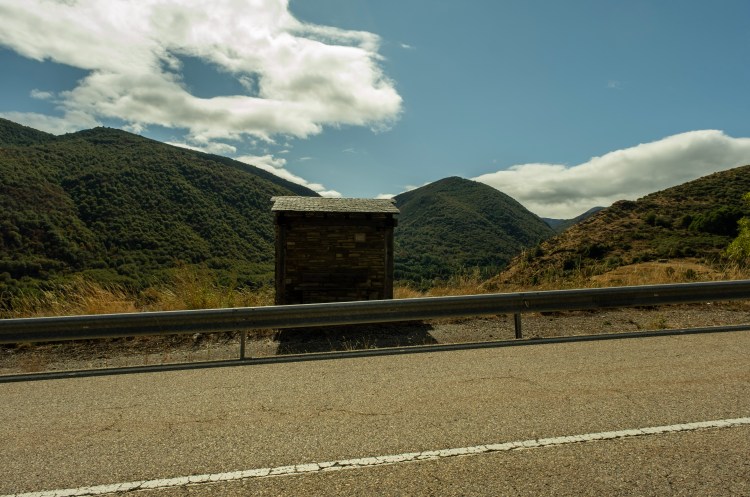
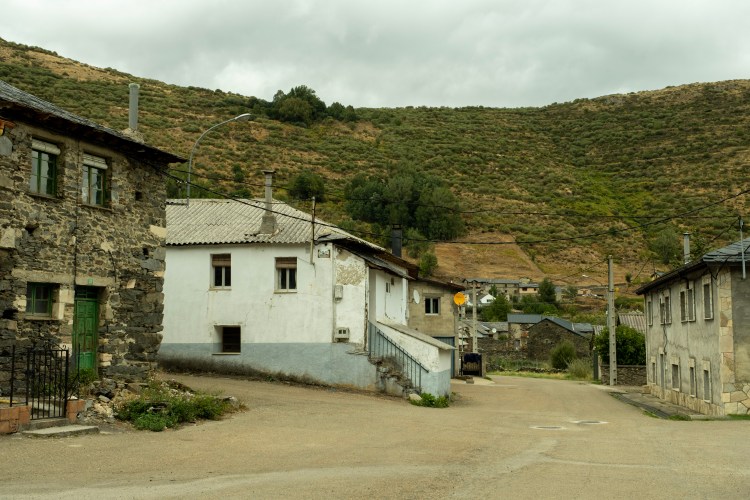
A single bus leaves León each day for Murias de Paredes. The road climbs into the mountains, deep into the Reserva de la Biosfera de los Valles de Omaña y Luna.
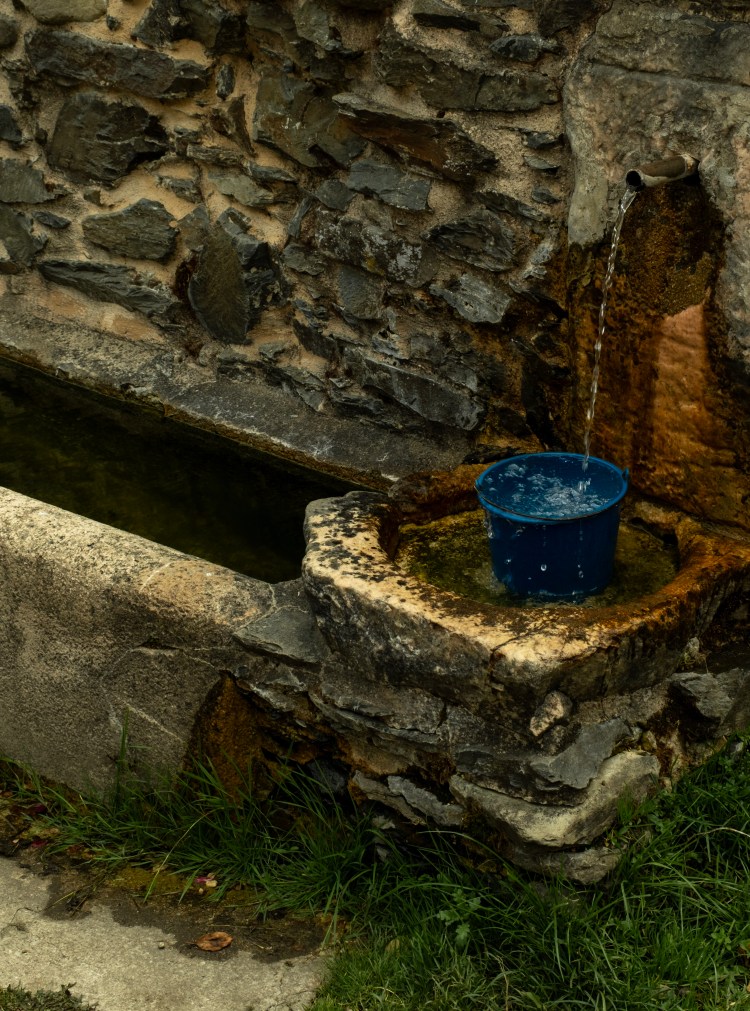
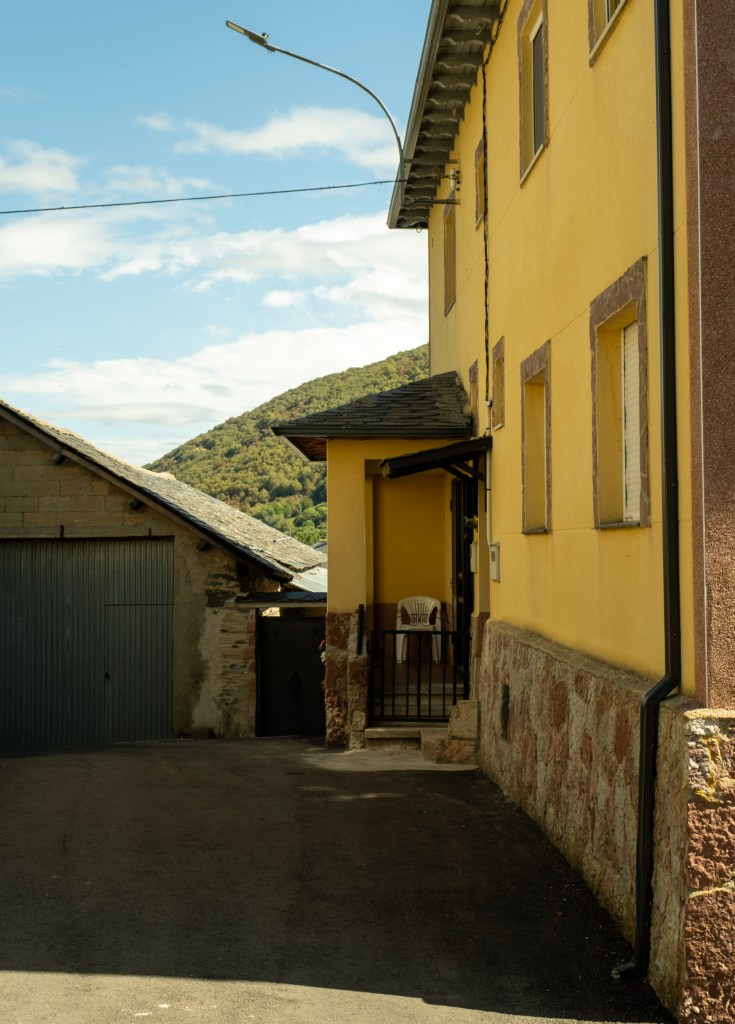
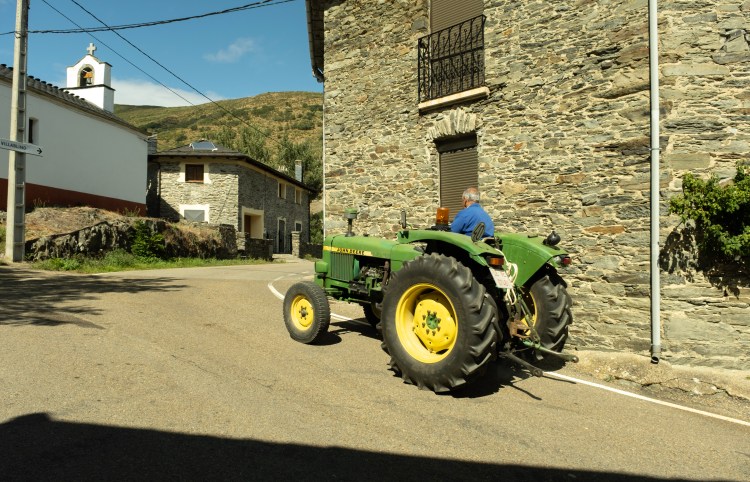
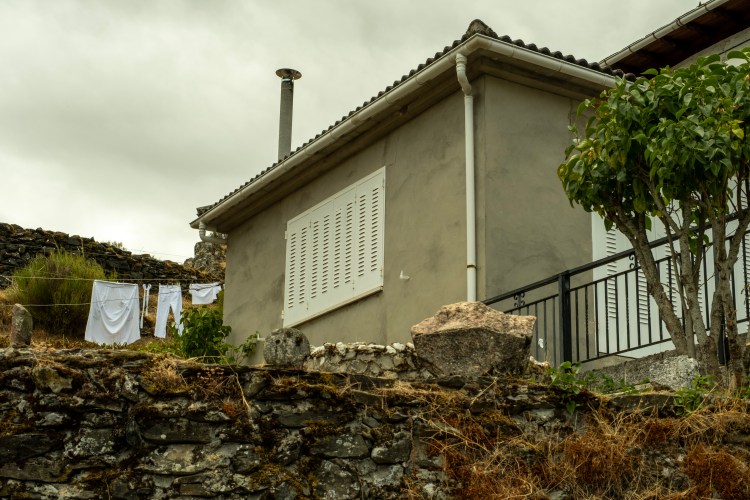
When you arrive, the silence is striking. The blinds are drawn, the streets are empty. Only the sound of a farmer on a tractor reveal that people still live here. Murias is not abandoned, but it feels suspended in time.
The fires did not reach the village this summer, but nearby valleys like La Magdalena were not so fortunate. The scars of the season are close, visible reminders that isolation is no protection.
In conversation with Fernando Castedo Dorado, a forestry engineer and professor at the University of León, the role of villages like Murias becomes clearer.
“Small mountain villages act as true custodians of the land,” he says. “Their traditional practices — grazing, cereal cultivation, gathering wood — reduce fuel and create mosaic landscapes that resist large fires.”
But the challenge is not only ecological. It’s also political and social.
“Depopulation severely erodes the local capacity to manage the landscape,” Dorado explains. “As people leave, the land accumulates biomass, the population ages, and there are fewer hands to clear, prune, or even respond to emergencies.”
For him, the solution begins with recognition and investment:
“These communities need differentiated tax systems, support for extensive livestock farming, and guarantees for essential services — health, education, and digital connectivity. The rural world must be seen as a living system, not a museum.”
Murias de Paredes, quiet and half-asleep in the mountains, is a glimpse of what Spain still stands to lose. And perhaps, what it could regain. If supported, villages like this could once again become firebreaks, both literal and cultural. Places where the bond between people and land is rebuilt.
 MELISSA MARTINSEN