
A guide to shooting creatively in your own backyard or mundane environments.
When most photographers think about creativity, their minds often wander to far-flung destinations. Misty mountains, winding desert roads, or golden-hour beaches. But what if you’re stuck in your hometown? Or in a city that feels like it has nothing left to offer?
Here’s the truth: extraordinary photos don’t need extraordinary places. They’re made by extraordinary ways of seeing.
In this guide, we’ll explore how to uncover photographic potential in uninspiring settings. Even if it’s just your own street, a local parking lot, or the corner café you’ve passed a hundred times.
1. Shift your perspective (literally and mentally)
Inspiration isn’t always waiting at eye-level. Look up. Crouch down. Walk the same route backwards. Photograph familiar places at different times of day. Now, watch how the morning light turns a cracked sidewalk into a golden pattern. Or how shadows stretch across a parking garage at dusk.
Pro Tip: Set a rule for yourself like “only shoot reflections” or “only look for symmetry.” Constraints force you to look deeper.
2. Practice active noticing
Photography begins before you pick up the camera. Try this: go for a walk and don’t take any photos. Just observe. Mentally frame scenes, look for light, watch how people interact with spaces. When you remove the pressure to capture, you become more attuned to what’s worth noticing.
Exercise: Spend 15 minutes sitting in one spot. Every time you notice something small—a flicker of light, a color clash, an odd pairing—write it down. Then return with your camera.
3. Embrace “boring” subjects
Some of the most compelling images come from mundane details. A worn-down door, a puddle reflecting streetlights, laundry swaying in the wind. These scenes hold emotion and memory. They offer subtle narratives.
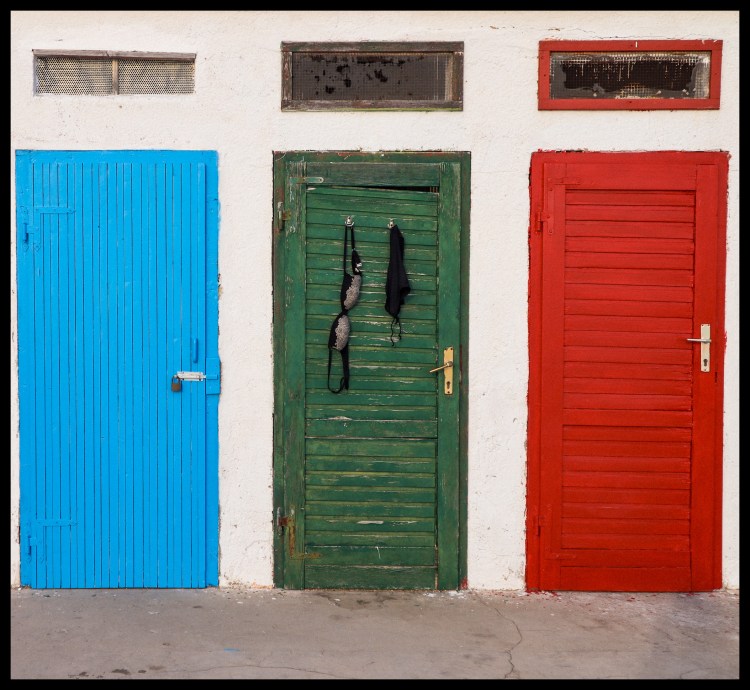
Look for:
- Texture and contrast
- Repetition or rhythm in everyday design
- Found still lives (objects left behind, arrangements in disarray)
4. Use emotion as your lens
What do you feel when you walk through your neighborhood? Is it nostalgia, boredom, longing, comfort? Use those emotions as your guide. Instead of chasing visual drama, try expressing a mood. Let that mood dictate what you shoot and how you edit.
5. Tell a micro-story
Don’t obsess over developing a grand project. Start with a short photo essay of 5–7 images about something small:
- “Morning routines on my block”
- “The colors of one alley”
- “A single intersection over one hour”
Create a series with intention and think about pacing, variation, and visual rhythm. You’ll be surprised at the stories that emerge from the ordinary.
Final Thoughts
Great photography is about cultivating a way of seeing. When you learn to create in uninspiring environments, you become a more powerful storyteller. One who doesn’t wait for perfect conditions, but makes meaning wherever they are.
Want to train your eye even further?
Sign up for the free weekly photo challenge .

